What Exactly Is a Burbank Auction Permit Bond?
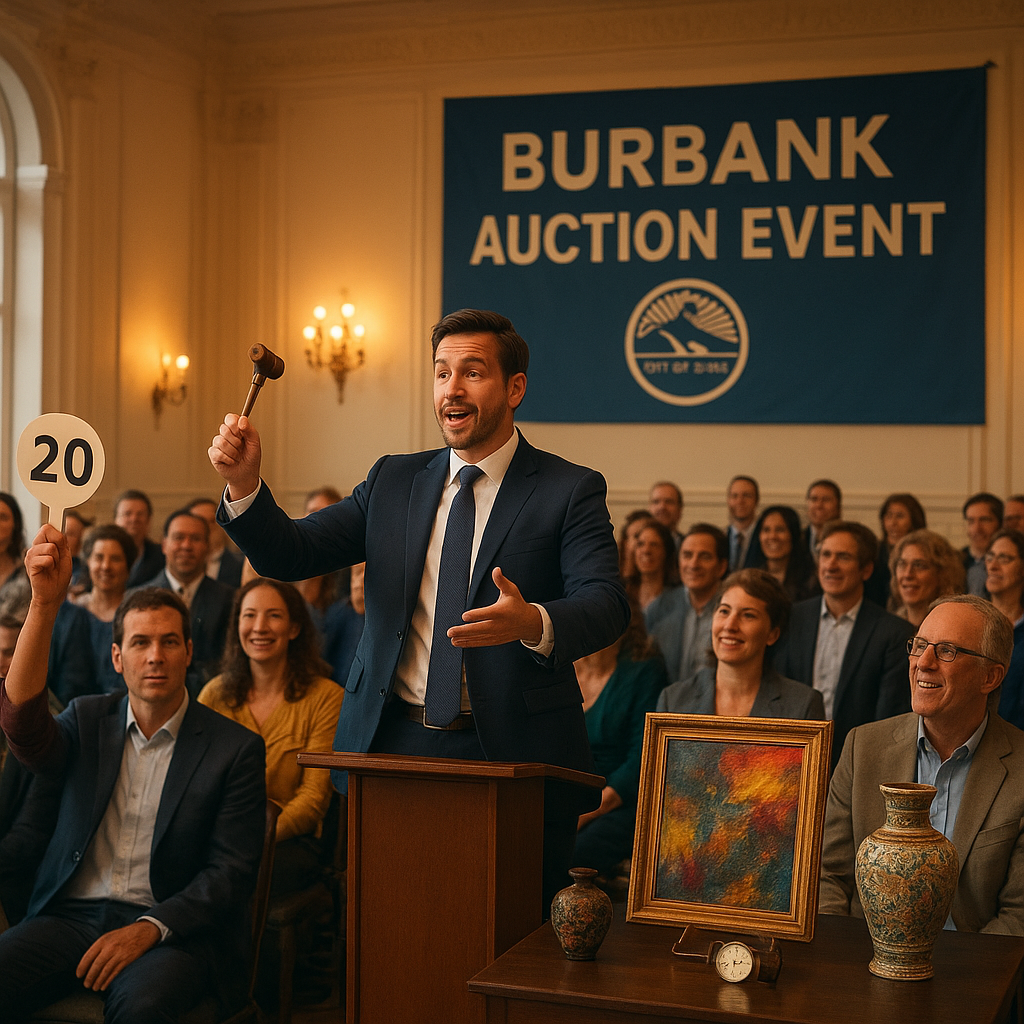
Imagine you’re planning a lively estate auction in downtown Burbank. You’ve got the inventory, the venue, and the bidders ready. But before you can even raise the gavel, the City of Burbank may ask for something that sounds a bit like insurance—but isn’t. That something is a Permittee for Conducting an Auction Bond, often simply called an auction bond. So what is it? In plain terms, it’s a three-party promise. You (the auction company) pledge to follow all local laws and ethical rules. A surety company backs that promise financially. The City of Burbank is the third party that requires the promise. If you break the rules, the bond steps in to make things right—up to a certain dollar amount.
Think of the bond as a financial safety net. It doesn’t protect your business directly. Instead, it protects the public and the city from financial harm caused by your mistakes or misconduct. And here’s a key point: you pay a small percentage of the bond’s total value, not the full amount. We’ll break that cost down shortly. But first, let’s see who actually needs to tuck this bond into their permit paperwork.
Who Needs to Hold an Auction Bond in Burbank?
If you’re an auctioneer, auction company, or even an individual organizing a public sale where items go to the highest bidder, this requirement likely applies to you. The City of Burbank often ties the bond to its business license or permit process. Common scenarios include:
- Estate sale companies running on-site auctions
- Liquidation firms disposing of business assets
- Art and antique auction houses holding regular sales
- Charity auction organizers (depending on the scale and permit type)
- Automotive or equipment auctioneers operating within city limits
The official designation is “Permittee for Conducting an Auction.” So, any business named as the permittee on a city-issued auction permit will be the one securing the bond. If you’re still scratching your head, ask yourself: “Will I be handling other people’s property or money on behalf of sellers and bidders?” If the answer is yes, Burbank wants a layer of financial accountability in place.
Why Does Burbank Require This Bond?
Burbank, like many California cities, isn’t just being bureaucratic. The bond exists because, frankly, money and trust can become messy at auctions. A distressed seller might hand over a vintage car or a diamond ring and expect a certain payout. An eager bidder might drop thousands of dollars at your event. The city’s job is to make sure everyone plays by the rules. The bond guarantees that if you fail to remit funds to sellers, misrepresent items, fail to pay mandated taxes, or violate any municipal auction ordinance, there is a financial remedy that doesn’t leave victims empty-handed.
Put another way: the bond converts a promise into real dollars. Without it, an upset consumer might have nowhere to turn except a slow, expensive legal battle. With the bond, a claim can be filed and resolved faster, without draining public resources. It’s a brilliant way to keep the auction industry fair, transparent, and trustworthy—three words every auction company wants associated with its brand.
How Does the Bond Actually Protect Everyone?
Let’s use a simple analogy. Picture the bond as a community pot of money. You, the auction business, put in a small contribution (the premium) to fill it. The surety company promises to cover valid claims up to the total pot size (the bond amount). If you mess up—say, you fail to pay a consignor $15,000 you collected from buyers—the consignor can file a claim. The surety investigates. If the claim is legitimate, the surety pays out from that pot. But here’s the catch: you still owe that money. The bond is not a get-out-of-jail-free card. You must reimburse the surety for every cent they pay out. It’s more like a line of credit than insurance for you. So, in practice, the bond encourages you to do things right the first time.
Who Gets Protected?
- Consignors and Sellers: They don’t have to chase you for their share of proceeds.
- Buyers: If you sell a counterfeit item described as genuine, buyers may have recourse.
- The City of Burbank: It ensures you abide by local tax collection and permit rules.
- The Public at Large: A bonded auctioneer signals legitimacy and professionalism.
How Much Does a Burbank Auction Bond Cost?
This is the question everyone wants answered. The bond has two money figures: the bond amount (the total coverage required by the city) and the premium (what you actually pay). The City of Burbank sets the required bond amount. While it can change, many California municipalities ask for amounts like $10,000, $20,000, or $25,000 for auctioneer bonds. You’ll need to confirm the exact number with Burbank’s finance or business license department. Don’t guess—calling them can save you a ton of rework.
Now, the good news: you don’t pay that full amount upfront. You pay a premium, which is a small percentage of the bond amount. For example, if the bond is $20,000 and your premium rate is 2%, you’d pay just $400 for the bond term (typically one year). What determines your rate? A few factors:
- Personal credit score: The better your credit, the lower the rate. Good credit applicants often see rates between 1% and 3%.
- Business financials: Some sureties also look at your company’s stability and experience.
- Bond amount: Larger bonds can sometimes nudge the percentage up or down slightly.
Even if your credit isn’t stellar, don’t lose hope. Special programs and high-risk bonding markets can still get you covered, often at a slightly higher cost. It’s worth shopping around because one surety’s “non-standard” rate can be another’s standard deal.
Step-by-Step: How to Get Your Burbank Auction Bond
Ready to rock this? The process is surprisingly straightforward once you know the pieces. Here’s your roadmap.
1. Confirm Burbank’s Exact Bond Form and Amount
Head to the City of Burbank’s website or call the Finance/Business License division. Ask for the “Permittee for Conducting an Auction Bond” requirements. They’ll tell you the required bond amount and might provide a bond form or precise wording that must appear on the document. You’ll need this exact info to avoid a rejected bond.
2. Gather Your Business and Personal Information
You’ll need your legal business name, physical address, and the name of the permittee. You’ll also provide your Social Security number for a personal credit check (the bond is personally backed, even for LLCs). Have your business license number handy if you have one already.
3. Apply Through a Surety Bond Agency
You can go directly to a surety company or, more conveniently, work with a bond broker that represents multiple markets. Brokers can often find you the best rate. The application is usually short, and you can fill it out online in under 10 minutes. Many agencies cater specifically to auctioneer bonds and know Burbank’s forms inside out.
4. Get Your Quote and Pay the Premium
After a soft or hard credit pull, you’ll receive a rate. Review the premium and payment options. Once paid, the surety issues the bond. You’ll typically get a digital copy for immediate filing and a signed, sealed original that the city may require.
5. File the Bond With the City
Submit the bond along with your permit application or renewal. Most cities want the original bond document. Keep a copy for your records. And that’s it! You’re bonded, permitted, and ready to razzle-dazzle at the auction block.
What Happens If Someone Files a Claim Against My Bond?
Let’s address the elephant in the room. A claim can feel scary, but understanding the mechanics reduces anxiety. If a seller or buyer believes they’ve suffered a financial loss due to your violation of the auction ordinance, they can submit a written claim to the surety company. The surety will investigate. They’ll look at your side of the story, the claimant’s evidence, and the bond’s terms. If the claim is valid and falls within the bond coverage, the surety pays out up to the bond limit.
Then, remember the reimbursement obligation? The surety will contact you to repay the full amount, often with interest and legal fees if it comes to that. This is why it’s vital to resolve disputes early and professionally. A single claim doesn’t just strain your wallet—it can also impact your ability to renew the bond or get future bonding at a favorable rate. So, keep meticulous records, communicate transparently with clients, and always follow Burbank’s auction rules to the letter.
Common Pitfalls and How to Dodge Them
I’ve seen auction companies stumble into easily avoidable traps. Here are a few and how you can sidestep them.
- Pitfall: Assuming any bond form works.
Fix: Ask the city for the exact bond form number or wording. The title usually says “Permittee for Conducting an Auction” and must name the City of Burbank as obligee. - Pitfall: Letting the bond lapse.
Fix: Mark your calendar 60 days before expiry. Renew early. A coverage gap can get your permit suspended. - Pitfall: Confusing the bond with insurance.
Fix: Remember, the bond protects others. You’ll still want general liability insurance to guard your own business against accidents or property damage. - Pitfall: Not budgeting for the full bond term.
Fix: If you plan to auction year-round, secure a bond term that matches your permit. Some sureties offer multi-year options that lock in a steady rate.
Burbank Auction Bond vs. Other California City Bonds
You might be wondering: “Does this bond work elsewhere?” The short answer is no. A Burbank auction bond is specifically tailored to the City of Burbank’s requirements. If you’re hosting auctions in Los Angeles, Glendale, or Pasadena, each city will likely have its own bond needs, amounts, and forms. While the core concept is similar, you cannot use one city’s bond for another. However, the good news is that your personal credit profile can be used across multiple bonds, and building a good relationship with a surety broker can streamline getting multiple city bonds quickly and at competitive rates. Think of it like having separate keys for different doors—you can’t open Burbank’s door with a Glendale key.
Renewing Your Bond: Keep the Gavel Banging
Most auction bonds are written for one-year terms. You’ll need to renew on time to keep your permit active. The city will not send you a reminder about the bond—it’s your responsibility. A few weeks before your bond expires, your surety should reach out with a renewal offer. If you don’t hear from them, be proactive. If you’ve had claims-free year and your credit has improved, you might even see a lower premium at renewal. So that on-time payment and clean record really do pay off.
Final Thoughts: Bonding as a Mark of Trust
At first glance, a “Permittee for Conducting an Auction Bond” may feel like just another bureaucratic hoop. But when you shift your perspective, it’s a badge of honor. It tells your clients, “I’m backed by a financial guarantee. I do business the right way.” In a world where anyone can shout “Going once, going twice, sold!” having a bond in place sets you apart from less scrupulous operators. It makes sellers feel secure handing over their treasures, and it gives bidders confidence that their money is in trustworthy hands.
So, take a deep breath. Figure out Burbank’s specific amount, find a friendly bond expert, and get that piece of paper filed. Then go forth, run an amazing auction, and let your reputation—and your bond—do the talking. After all, a little bit of paperwork today builds a fortress of trust for tomorrow’s sales. And that’s a deal worth winning.