
Boeing Faces New Safety Concerns Amid Whistleblower Revelations

Boeing Under Fire: What New Whistleblower Claims Mean for Air Travel Safety

Is Boeing Facing Another Storm?

If you’ve flown recently or are planning a trip, you’ve probably booked a flight on a Boeing aircraft. After all, Boeing is one of the biggest names in aviation. But once again, the company is under intense scrutiny following new whistleblower revelations that raise serious safety concerns.

So, what’s really going on at Boeing? Should travelers be worried? Let’s break it down in simple terms so you can understand what’s happening—and why it matters to everyone who flies.

What’s the Big Deal?

Boeing, the U.S.-based aircraft manufacturer behind popular jets like the 737 and 787 Dreamliner, is facing fresh allegations from whistleblowers inside the company. These are people who worked at Boeing and say they’ve seen or experienced things that seriously threaten aircraft safety.

Here’s the catch: these aren’t the first warning signs. Boeing has already been dealing with reputational damage after two fatal crashes of the 737 MAX—tragic disasters that led to investigations, lawsuits, and changes in how the company operates. Now, new concerns are surfacing again.

So, What Did the Whistleblowers Say?

The recent claims center around the safety of airplane production. According to the whistleblowers:

  • Fast-paced production schedules may be putting safety at risk
  • Employees are feeling pressure to skip key inspections
  • Some parts may not meet long-term safety and durability standards

One employee even compares the process to running a race without time to tie your shoes—eventually, something’s bound to go wrong.

How Does This Affect the Planes We Fly In?

You might be thinking, “But if planes are still flying, how dangerous can it be?”

That’s a fair question. Regulatory bodies like the Federal Aviation Administration (FAA) are responsible for making sure airplanes are safe to fly. While most planes leaving the factory meet basic safety standards, the whistleblowers are shedding light on potential long-term issues—problems that might not show up until years down the line.

Think of it like skipping just one bolt when building a chair. The chair might look fine at first, but what happens in a year or two when someone sits in it the wrong way?

Why Are These Allegations Coming Out Now?

In most cases, whistleblowers speak out because they see something they believe is wrong—and feel the need to tell the world, especially if lives could be at risk.

This wave of revelations appears to be timed with investigations into Boeing’s practices by both U.S. authorities and media outlets. Some of these whistleblowers are even part of ongoing legal or government review processes.

It’s also important to note that coming forward as a whistleblower is never easy. It takes courage to speak up, especially against a giant like Boeing.

This Isn’t Boeing’s First Time in the Hot Seat

If this sounds familiar, it’s because Boeing has already been through a major crisis in recent years. Following the crashes of Lion Air Flight 610 in 2018 and Ethiopian Airlines Flight 302 in 2019—both involving the 737 MAX—the company came under heavy criticism.

Investigations found that flaws in the plane’s design and communication breakdowns inside Boeing played a role. That tragic chapter led to more than a year of grounded planes and billions in losses.

And now… here we are again.

What Is Boeing Saying About All This?

To their credit, Boeing says it’s treating these new claims seriously. They’ve promised to investigate and take corrective actions where necessary. The company also says it’s committed to maintaining high safety standards and welcomes any feedback that can help improve quality.

But let’s be honest—actions speak louder than words. Both industry insiders and passengers are watching closely to see if Boeing actually follows through.

What About the FAA and Government Regulators?

The FAA has been under pressure too. After being criticized for being too cozy with Boeing in the past, the agency now faces extra scrutiny to enforce strict safety protocols.

In response to these whistleblower revelations, investigators have reportedly reopened certain investigations and are collecting more data to figure out what’s really going on.

What Should Passengers Take Away from This?

Nobody wants to feel nervous about stepping onto a plane, yet many travelers are now wondering: “Can I trust the plane I’m flying on?”

It’s a valid concern. Airlines, manufacturers, and regulators all share the responsibility of keeping you safe. And while whistleblower claims don’t mean a plane is going to fall out of the sky tomorrow, they do highlight cracks in a system that should be working flawlessly.

Here are a few reassuring facts:

  • Modern airplanes are still among the safest modes of travel
  • Most whistleblower cases aim to improve safety—not cause panic
  • Additional checks and oversight are being introduced as a result

Why Transparency Matters

At the heart of this issue lies one core truth: trust. When companies are open about their problems and fix them, they win back public trust. When they cover things up or ignore warnings, that trust vanishes—and it’s incredibly difficult to rebuild.

Transparency from Boeing and accountability from regulators is the only way forward.

What You Can Do as a Traveler

Okay, so you’re not an aircraft inspector or safety engineer. But you do have a voice.

Here’s what you can do:

  • Stay informed: Keep tabs on developments through trusted aviation news sources.
  • Ask questions: Don’t be afraid to inquire about aircraft models on your flight.
  • Support accountability: Encourage transparent practices from both airlines and manufacturers.

Final Thoughts: A Wake-Up Call for the Industry?

At the end of the day, these revelations should serve as a wake-up call—not just to Boeing, but to the entire aviation industry. Cutting corners to save time or money can seem tempting in the short term, but when it comes to human lives, there should be zero shortcuts.

If whistleblowers are raising red flags, we should listen. We owe it to the millions of people flying every day to keep the skies as safe as possible.

So the next time you hear about Boeing in the news, don’t just brush it off. These issues affect us all. And with more awareness, more pressure, and more action, hopefully, they’ll lead to real change in how airplanes are built and maintained.

Let’s keep the conversation going. The skies depend on it.

Have you flown on a Boeing plane recently? What are your thoughts on these safety concerns? Let us know in the comments below. ✈️


Keywords:

Boeing safety concerns, Boeing whistleblower, aircraft manufacturing safety, aviation news, 737 MAX, Boeing investigation, airplane safety updates, flight safety

Tesla Unveils Affordable Model 2 Aiming for Mass Market


Tesla Unveils Affordable Model 2 Aiming for Mass Market

When you think of Tesla, what comes to mind? Sleek electric cars, futuristic technology, and, let’s be honest, some pretty hefty price tags. But all that could be about to change. Tesla recently revealed plans for an entirely new vehicle — the Tesla Model 2. What makes it stand out? Its price tag. This could be the electric car that finally hits the sweet spot for the everyday driver.

What’s All the Buzz About the Tesla Model 2?

Let’s break it down. Tesla’s new Model 2 is expected to be their most affordable vehicle yet. While exact figures haven’t been finalized, it’s rumored to come with a starting price around $25,000. Compare that to the current Model 3, which starts at nearly $40,000, and you can understand why this news is turning heads.

So, why is this such a big deal? Because it opens the door for a much larger audience to go electric. Until now, EVs (electric vehicles) have felt just out of reach for many people. But the Model 2 might be the game-changer we’ve all been waiting for.

Why the Model 2 Could Change the EV Landscape

Let’s be honest — switching to an electric car has been a bit intimidating for many drivers. High upfront costs, concerns about battery life, and charging station access can all be dealbreakers. But Tesla’s new approach aims to tackle these obstacles one by one:

  • Affordability: A $25,000 price tag makes the Model 2 one of the cheapest EVs on the market.
  • Technology: Tesla plans to maintain its advanced tech features — think Autopilot and over-the-air updates — even in this budget-friendly model.
  • Range: Though exact specs haven’t been released, early talks suggest a driving range of around 250-300 miles per charge. That’s plenty for the average commuter.

If these predictions turn out to be true, it’s easy to see how the Model 2 could be a huge step toward mass adoption of electric vehicles.

Making EVs Mainstream: Tesla’s Big Mission

Elon Musk and Tesla have always had one big goal: to accelerate the world’s transition to sustainable energy. But until now, their vehicles have mostly catered to a wealthier market.

By launching a more budget-friendly EV, Tesla is sending a clear message — going green shouldn’t only be for the wealthy. The Model 2 could become the “everyday electric car” — something as common on the road as your neighbor’s old Honda Civic or Toyota Corolla.

Remember When Smartphones Took Over?

If you think back to when smartphones first came out, they were expensive and not everyone had one. But once companies made cheaper versions, it didn’t take long for smartphones to become a normal part of life. Tesla seems to be doing the same with EVs. The Model 2 could be their version of the iPhone SE — powerful tech, wallet-friendly price.

Production Timeline: When Can We Expect the Model 2?

Good question. While there’s still no exact release date, Tesla is aiming to have the Model 2 rolling off production lines sometime in 2025. That’s not too far off!

Production likely won’t start in the U.S. either. Musk has hinted that the car might first be built at Tesla’s Gigafactory in Mexico. That decision makes sense — producing in Mexico helps keep costs low, translating to a lower sticker price for customers.

Some experts believe the first models could be aimed at global markets like Europe, China, and even Latin America before hitting U.S. showrooms.

How Will This Impact the Car Market?

Other car manufacturers are definitely paying attention. With Tesla bringing EVs to the mass market, companies like Ford, GM, and Volkswagen might feel a new sense of urgency. They’ll need to step up their game and compete on both technology and price.

For consumers, that’s great news. More competition means:

  • Better prices
  • More features
  • Increased innovation

Is the Model 2 Worth the Wait?

If you’re thinking about making the switch to an electric car, the Model 2 might be worth waiting for. Here’s why:

  • You get Tesla’s proven quality and tech at a fraction of the cost
  • It’s more budget-friendly than most EVs currently on the road
  • It could take full advantage of government EV tax credits, saving you even more

Sure, there’s always a risk with new releases — delays, last-minute design changes, or early-stage bugs. But Tesla has a pretty solid track record of delivering innovation, even if it arrives fashionably late.

What This Means for Everyday Drivers

Imagine being able to charge your car as easily as plugging in a phone overnight. No more gas stations. No more oil changes. And if Tesla sticks to their plan, you could be doing all this in a brand-new Tesla for under $30K.

The Model 2 is more than just a new car. It’s a potential turning point in how we get around and how we treat our planet. And that’s worth getting excited about.

Final Thoughts: A Tesla for the People

So, what do you think? Would you consider buying a $25,000 Tesla? With its promise of affordability, reliability, and cutting-edge tech, the Model 2 could be the car that finally puts EVs in every driveway.

Keep an eye out in the next couple of years — this compact EV might just be the next big thing on the road. Until then, stay curious, stay informed, and maybe start clearing a spot in your garage.

Keywords: Tesla Model 2, affordable electric car, budget-friendly EV, Tesla news, electric vehicle market, Model 2 production, Gigafactory Mexico, Elon Musk, Tesla under $30K

Thanks for reading! Got thoughts or questions about Tesla’s new Model 2? Drop a comment — we’d love to hear your take.

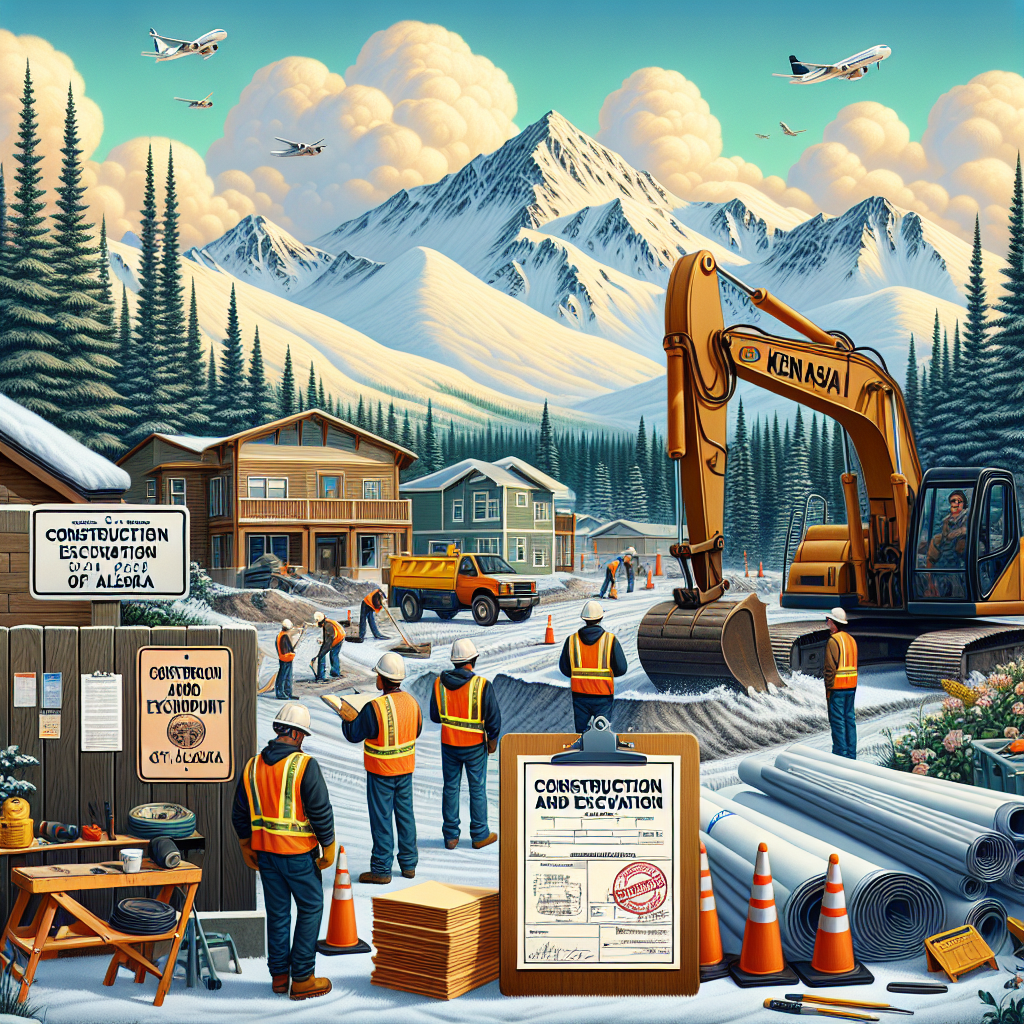
Understanding the City of Kenai, Alaska Construction and Excavation Permit Bond

Understanding the City of Kenai, Alaska Construction and Excavation Permit Bond

If you’re planning any kind of construction or excavation work in Kenai, Alaska, there’s something important you need to know before breaking ground—the Construction and Excavation Permit Bond. Don’t worry if that sounds a bit technical. In this post, we’ll walk you through what it is, why it matters, and how to get one, all in clear, simple terms.

What Is a Construction and Excavation Permit Bond?

Let’s break it down. When you want to do construction or digging (excavation) work within the public areas of Kenai—like a sidewalk, road, or utility line—you need a permit. But before you can get that permit, the city may require you to provide a “bond.”

Now, when we say “bond,” we don’t mean glue or a friendship. In this case, a permit bond is a type of protection. Think of it as a financial safety net for the city.

So, what does this bond actually do?

This bond is like a promise. It guarantees that if you or your contractor mess up—by damaging public property or failing to complete the job as expected—the city won’t be left with the bill. The bond holds you financially responsible for any harm caused during the permitted work.

Why Does the City of Kenai Require a Permit Bond?

It’s all about protecting public property and ensuring the work gets done properly. Imagine if someone started digging up a road to install a new pipeline and then vanished without repairing it. The city—and its taxpayers—would have to pay to fix it. That’s not fair, right?

Here’s what the City of Kenai Excavation and Construction Permit Bond helps ensure:

  • Proper restoration: Any disturbed public areas are returned to their original state.
  • Compliance with regulations: The work follows city codes and guidelines.
  • Financial accountability: The responsible party pays for any damage or incomplete work—not the city.

Who Needs This Bond?

If you’re a contractor, developer, or property owner planning to perform construction or digging in city-owned spaces—like streets, sidewalks, or utility easements—you’ll likely need this bond.

This includes things like:

  • Installing or repairing water and sewer lines
  • Digging trenches or holes in public roads
  • Extending utility lines across city property
  • Constructing curbs, driveways, or sidewalks that connect to public roads

If you’re not sure whether your project requires one, it’s a good idea to check with Kenai’s Engineering Department before starting.

How Much Does a Kenai Permit Bond Cost?

Good question! The cost of the bond isn’t one-size-fits-all. It depends on the size and scope of your project and the bond amount required by the city. The higher the required bond amount, the higher the cost.

But here’s some good news: you’re not paying the full bond amount upfront. Instead, you only pay a small percentage of it—usually between 1% and 10%. This percentage is called a premium.

For example, if your bond amount is $10,000 and your premium rate is 2%, you’ll pay just $200.

What Affects the Cost?

Your bond rate is based on a few key things:

  • Your credit score – Better credit usually means lower premiums.
  • Your business experience – Cities and bond providers like to see proven reliability.
  • The risk level of your project – Some construction jobs carry more risk than others.

It’s worth shopping around. Some surety bond companies specialize in helping contractors get the best rates—even with less-than-perfect credit.

How Do You Get a Construction and Excavation Permit Bond in Kenai?

Getting a bond is easier than you might think. Here’s a simple step-by-step guide:

  1. Contact a surety bond provider. Many companies allow you to apply online.
  2. Submit your application. You’ll typically need some business and personal info.
  3. Receive a quote. If approved, you’ll get your premium rate and bond amount.
  4. Purchase the bond. Pay your premium and the provider will issue the bond.
  5. Submit it to the City of Kenai. Include the bond in your permit application package.

Keep in mind that the bond must be issued by a bonding company licensed to do business in Alaska. The city won’t accept just any bond—you’ll need one that meets their specific requirements.

What Happens If You Don’t Follow the Rules?

Let’s say a contractor has a permit bond but doesn’t finish the job. Or maybe they damage a public sidewalk and leave it a mess. What then?

The city can file a claim against the bond. If the claim is valid, the bond provider will pay the city for the damage—up to the bonded amount. Then, the contractor (or whoever’s name is on the bond) must repay that money back to the surety provider.

In short, cutting corners can end up costing you more in the long run.

Why This Bond Is a Win-Win

At first, getting a bond might feel like a hassle. But it’s actually a benefit—both for the city and for you as a contractor or property owner.

Here’s why:

  • For the city: It protects their infrastructure and makes sure the work gets completed the right way.
  • For you: It helps build trust. When you have a bond, it shows you’re serious, reliable, and committed to doing things the right way.

Final Thoughts

Construction and excavation can be exciting. Whether you’re building a new home, installing utilities, or upgrading infrastructure, there’s a lot to manage.

But don’t skip over the details—like the City of Kenai Construction and Excavation Permit Bond. It might not be the flashiest part of your project, but it’s a critical piece that ensures both your peace of mind and the city’s protection.

Need help getting your bond? There are plenty of experienced surety companies that can guide you through the process quickly and affordably. So, take that step with confidence, and get your project off to a strong (and legal!) start.

Have questions about permit bonds in Kenai, Alaska? Drop them in the comments below—we’re here to help!