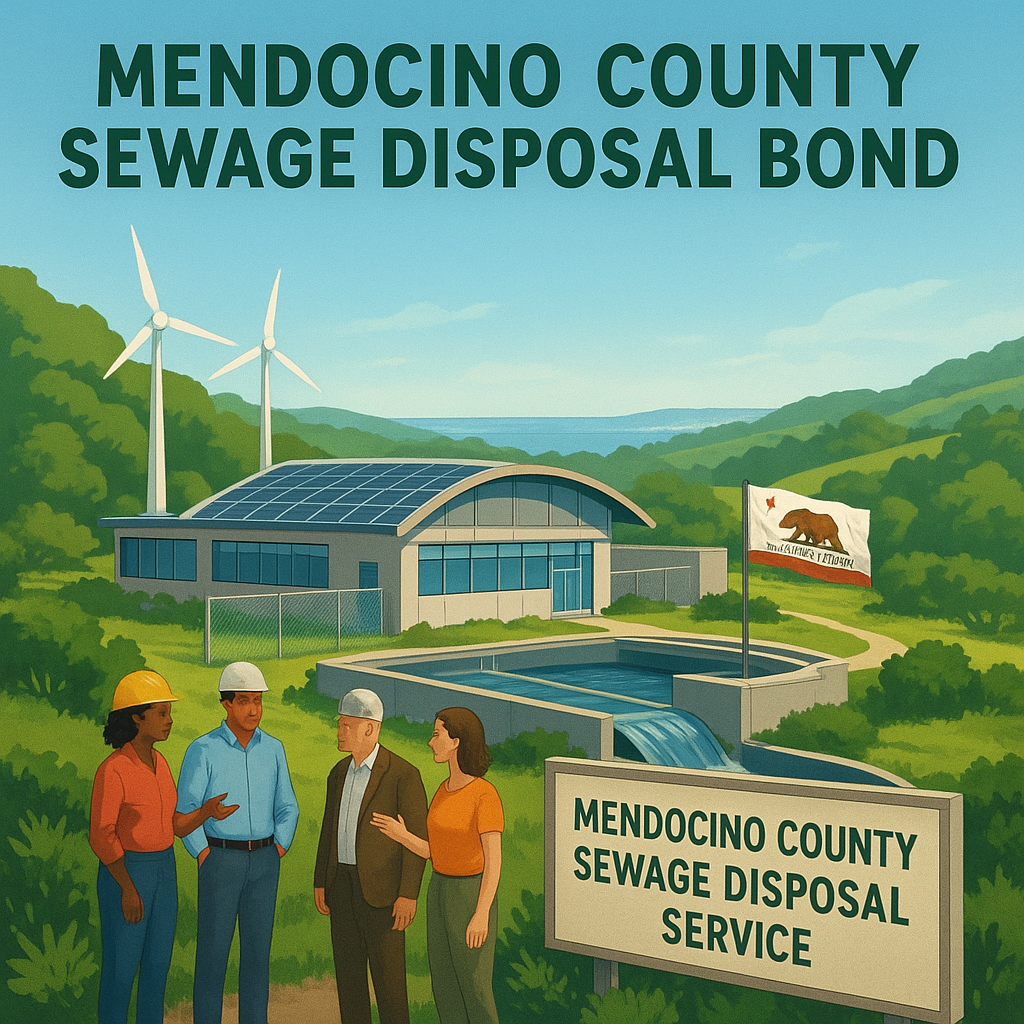
Have you ever wondered what keeps our communities running smoothly behind the scenes? We flip a switch, and lights come on. We turn a tap, and clean water flows. But what happens when we flush? That’s a conversation not many of us have, yet it’s one of the most important pieces of the puzzle for a healthy, growing region. For the folks in Mendocino County, that conversation is taking center stage with a fresh focus on sanitation solutions. A new sewage disposal bond is making waves, promising to upgrade infrastructure and protect the stunning natural environment that makes this part of California so special.
Let’s unpack what’s happening, why it matters, and how it might just change the way we think about the unseen systems that support our daily lives.
What Exactly Is a Sewage Disposal Bond?
Imagine you’re planning a major home renovation. You wouldn’t just hope the money appears in your bank account. You’d likely secure a loan or a line of credit to cover the upfront costs. A sewage disposal bond works in a similar way, but for a whole community. It’s a financial tool that allows Mendocino County to borrow money to pay for big-ticket sewage projects right now, then repay that debt over time.
Think of it as a promise the county makes to investors. In return for their money upfront, the county agrees to pay it back with interest. This bond specifically is a “bond runs to State” type, which means it’s structured with a direct link to state-level oversight or guarantees. This adds a layer of security and ensures the project meets California’s high standards for environmental and public health protection.
Why Mendocino County Needs This Now
Mendocino County is a place of breathtaking beauty. Towering redwoods, rugged coastlines, and rolling vineyards. But beneath that picturesque surface, the county’s sewage disposal infrastructure has been quietly aging. Many systems were built decades ago when the population was smaller and environmental rules were less strict. Today, those aging pipes and treatment plants are struggling to keep up.
Here’s why the timing is critical:
- Aging Infrastructure: Like an old car, older sewage systems require more and more maintenance. Band-aid fixes can only go so far before a major overhaul is needed.
- Environmental Protection: The Russian River, the Pacific Ocean, and countless creeks are the lifeblood of the region. A failing septic or sewer system can leak harmful pathogens and nutrients into these waters, threatening fish, wildlife, and even human health.
- Population Growth: Even modest growth puts added pressure on systems that were never designed for today’s demands. More homes and businesses mean more flushes, and the system needs the capacity to handle that.
- Regulatory Requirements: The State of California keeps a close eye on water quality. Stricter regulations leave counties with no choice but to upgrade to avoid heavy fines or legal action.
How the Bond “Runs to State”
You might have noticed the phrase “bond runs to State” and wondered what that means. Don’t worry, you’re not alone. At its core, this means the bond issuance is tied to the state government in some way, often through a state revolving fund or a specific program administered by a state agency. In many cases, Mendocino County could access low-interest loans through the California State Water Resources Control Board. The bond itself is a promise that the state recognizes, and often the repayment structure or oversight is managed with state involvement.
This connection is a big deal. It signals that the project isn’t just a local whim but part of a larger strategy to safeguard California’s water resources. It also often means better loan terms, which saves taxpayers money in the long run. So, when you hear “bond runs to State,” think of it as a partnership where the state backs the importance of the work, giving the county a financial boost to get it done.
Breaking Down the Benefits for Everyday Residents
It’s easy to get lost in talk of bonds and infrastructure and wonder, “What does this actually mean for me?” Let’s bring it down to earth with some concrete benefits you can expect.
Healthier Waterways: When sewage is treated properly, the water released back into the environment is clean. Swimmers, surfers, and kayakers can enjoy the ocean without worrying about pollution. Fishermen can trust that the fish they catch come from a clean habitat.
Protected Home Values: Reliable sewage service is a must-have for any home. An area known for failing septic systems or sewage overflows can see property values suffer. Upgrades protect your investment and make the county a more attractive place to live.
Peace of Mind: No one wants to wake up to a backed-up sewer line. Modernized systems are far less likely to fail during heavy rains or everyday use, giving you one less thing to worry about.
Job Creation: Big infrastructure projects don’t happen by magic. Engineers, construction workers, electricians, and local suppliers all get a boost when a project like this kicks off. That money circulates right here in Mendocino County.
The Sewage Disposal Service Puzzle: Public and Private Solutions
It’s worth noting that Mendocino County’s sewage disposal scene isn’t one-size-fits-all. In cities like Ukiah or Fort Bragg, municipal sewer systems serve most properties. But in the more rural stretches of the county, individual septic systems are common. The bond and associated projects might target several areas:
- Upgrading municipal treatment plants to increase capacity and improve treatment levels.
- Extending sewer lines to areas currently relying on older, failing septic tanks that could contaminate groundwater.
- Offering low-interest loans or grants to homeowners who need to replace a failing septic system, ensuring everyone can comply with health standards without breaking the bank.
This mixed approach recognizes that a solution that works in a downtown area might not make sense in a remote vineyard. The goal is to find the right fix for the right place, all backed by the financial muscle of the bond.
Dispelling Common Myths About Municipal Bonds
When people hear the word “bond,” the first thought sometimes jumps to higher taxes. It’s a fair concern, but the reality is often more nuanced. Let’s tackle a few myths head-on.
Myth: A bond means my property taxes will shoot up immediately.
Reality: Not necessarily. Bonds are repaid over many years, often 20 to 30. The repayment structure is designed to spread the cost out, so the annual impact is manageable. Plus, grants and state revolving funds can offset a large chunk of the principal, reducing the local burden.
Myth: This is just government waste.
Reality: Sewage disposal is a fundamental public health service. The cost of inaction — in the form of polluted rivers, shellfish bed closures, and health crises — is almost always far greater than the cost of proactive upgrades. It’s not glamorous, but it’s essential.
Myth: Only the engineers and politicians need to care.
Reality: We all have a stake. The water that leaves our homes ends up in a shared environment. Understanding the process helps us advocate for smart spending and appreciate how our monthly water bills are actually put to work.
A Closer Look at the California Context
Mendocino County isn’t acting in a vacuum. Across California, communities are grappling with similar challenges. The State Water Board has ramped up enforcement against spills and leaks, and the drought-to-deluge weather whiplash puts extra strain on old pipes. A system that’s barely holding together during dry times can fail catastrophically when a winter atmospheric river hits.
By acting now and using a bond that “runs to State,” Mendocino County is positioning itself to tap into state expertise and funding streams. It’s a strategic move to get ahead of the problem before a crisis forces a more expensive emergency fix. The bond is as much about stewardship as it is about infrastructure.
How You Can Stay Involved
You might be thinking, “This sounds important, but what can I do about it?” Great question. An informed community is the best partner for any local government. Here are a few steps you can take:
- Attend County Meetings: The Mendocino County Board of Supervisors and local water districts hold public meetings where these projects are discussed. Your voice matters.
- Ask Questions: If you receive a notice about a sewer assessment or a septic system upgrade requirement, don’t hesitate to call the county’s environmental health department. Ask why it’s needed and what assistance is available.
- Spread the Word: Share what you’ve learned. A lot of people don’t think about what happens after they flush. A simple conversation can build more support for these vital projects.
- Look for Savings: Some districts offer rebates for water-efficient fixtures that reduce the load on the system. It’s a small personal step that complements the bigger infrastructure work.
The Road Ahead for Clean Water in Mendocino
No one gets excited about sewage. It’s not a dinner-table topic. But the quiet progress of a project like the Mendocino County Sewage Disposal Bond represents something much bigger. It’s a story of a community taking responsibility for its future, protecting its natural treasures, and building a foundation for generations to come. The bond that “runs to State” is more than a financial document — it’s a bridge from an aging past to a sustainable future.
So the next time you wash your hands, do a load of laundry, or yes, flush, you can feel a small sense of relief. Behind that simple act is a network of people, policies, and now, a bond-financed upgrade that’s quietly working to keep Mendocino County healthy and beautiful. Clean water and safe sanitation are truly the unsung heroes of our daily comfort, and this investment ensures they stay that way.