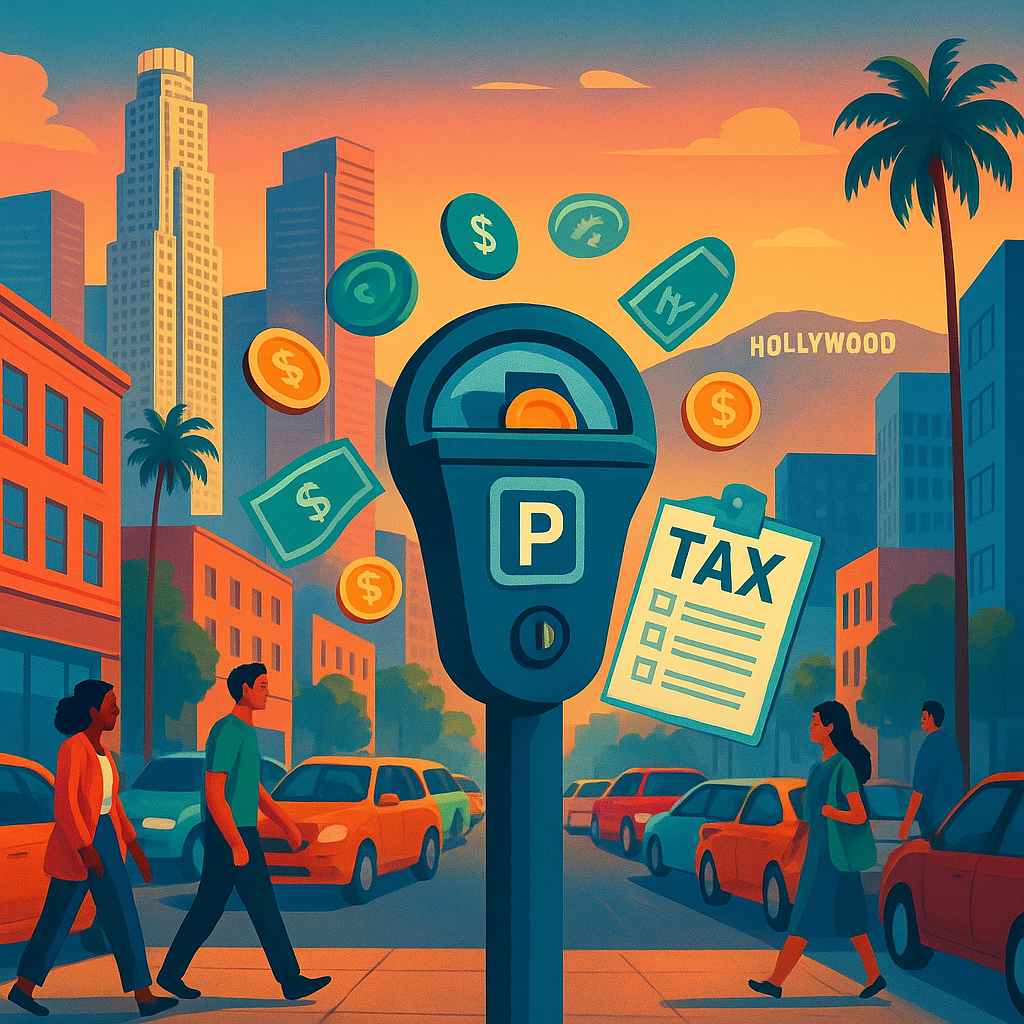
What Exactly Is the Los Angeles Parking Occupancy Tax?
Picture this: you pull into a paid parking lot in downtown LA, grab your ticket, and head off to a meeting. You pay a fee when you leave. What you might not realize is that a portion of that fee isn’t just profit for the lot owner — it’s also a tax that goes straight to the City of Los Angeles. That’s the Parking Occupancy Tax in a nutshell.
In simple terms, if you operate any kind of paid parking facility in the city — from a massive garage to a small valet lot — you’re required to collect a tax from your customers. The current rate is 10% of the parking charges. You then pass those collected dollars on to the city, usually on a quarterly basis. It’s not a tax on your business income; it’s a tax your customers pay through their parking fees, and you act as the middleman.
The Parking Occupancy Tax Collection Bond: A Simple Breakdown
Now, you might be wondering: Where does a bond fit into all of this? Think of the Parking Occupancy Tax Collection Bond as a financial safety net for the city. It’s a three-party guarantee that ensures the tax money you collect actually makes it to the city’s coffers.
Let’s break down the three parties involved. First, there’s the obligee — that’s the City of Los Angeles. They require the bond to protect their tax revenue. Second, you have the principal — that’s you, the parking business owner, who promises to follow the rules and turn over the taxes you’ve collected. Third, there’s the surety — an insurance company that backs your promise. If you fail to remit the taxes you owe, the surety steps in to pay the city up to the bond’s limit. Then, you have to reimburse the surety for everything they paid out.
It’s a lot like a security deposit on an apartment. The landlord requires a deposit in case you cause damage or skip out on rent. The city requires a bond in case you don’t send in the parking taxes you’ve collected. You’re still on the hook for the full amount, but the bond gives the city instant access to funds if something goes wrong.
Who Needs This Bond in Los Angeles?
Not every business in LA needs a Parking Occupancy Tax Collection Bond, but if you collect parking fees from the public, you almost certainly do. This includes a wide range of operators:
- Commercial parking garages and surface lots
- Valet parking services (whether at a hotel, restaurant, event, or medical facility)
- Mixed-use buildings that charge for parking separately from a lease
- Even pop-up or temporary parking operations during events
The City of Los Angeles Office of Finance is the department that oversees this requirement. When you register your business for a Parking Occupancy Tax Registration Certificate, they’ll tell you if a bond is required and what the bond amount should be. The amount can vary based on your estimated tax liability, but it’s often set at a level that covers a few months of expected tax collections.
Why Does the City Require This Bond? (Hint: It’s All About Trust)
Imagine if a city just hoped every parking operator would voluntarily mail in thousands of dollars each month. The risk of missing revenue would be enormous. The bond creates a layer of accountability. It transforms a simple promise into a legally enforceable obligation backed by a financial guarantee.
For the city, parking occupancy tax is a significant revenue stream. These funds support public services like street repairs, public transit, and neighborhood improvements. If operators fail to remit what they’ve collected, the city loses money that residents depend on. The bond helps ensure the city doesn’t have to chase down every late or missing payment through lengthy legal battles. Instead, the surety can step in quickly, keeping the cash flow steady.
How the Bond Impacts Parking Business Owners
You might see the bond requirement as just another fee, but it actually affects your business in several practical ways. First, there’s the cost. You don’t pay the full bond amount upfront. You pay a premium — typically a small percentage of the total bond, based on your personal or business credit. If your credit is solid, that premium might be only 1-3% of the bond amount. For a $10,000 bond, you could pay as little as $100 to $300 per year. That’s a manageable expense for the protection it provides.
Second, the bond acts as a discipline tool. Knowing you’re backed by a surety company encourages you to stay on top of your tax filings. If a claim ever gets filed against your bond, it can hurt your ability to get bonded in the future or increase your premium costs. Plus, you’ll have to repay the surety in full, so it’s never free money.
Third, maintaining your bond becomes part of your annual business checklist. Most bonds are issued for a one-year term and must be renewed. You’ll need to make sure your bond doesn’t lapse, because operating without a required bond can lead to penalties, fines, or even suspension of your business license.
What Happens If You Don’t Comply?
Operating a paid parking facility in LA without the proper bond — or without paying the tax — can lead to serious consequences. The city can issue fines, revoke your parking occupancy tax registration, or shut down your operation. Beyond that, any unpaid taxes accrue interest and penalties, which pile up faster than you’d think.
From the bond’s perspective, if you fail to remit taxes, the city can file a claim against your bond. The surety will investigate, and if the claim is valid, they’ll pay the city. Then they’ll aggressively seek reimbursement from you. That can include legal action, asset seizure, or sending the debt to collections. It’s a situation no business owner wants to face. The bond acts as a constant reminder: pay what you owe, and everyone stays happy.
How to Get Your Parking Occupancy Tax Bond
The process is straightforward, and you can often complete it in a day. Here’s the typical path:
- Find a reputable surety bond agency that works with California businesses. Many offer online applications.
- Submit your application with details about your business and the required bond amount (provided by the city).
- Undergo a credit check. A soft pull is common; for larger bonds, a full review may be needed.
- Pay the premium once approved. You’ll receive the bond form immediately or within 24 hours.
- File the bond with the LA Office of Finance along with your registration paperwork.
If your credit isn’t perfect, don’t panic. Many surety companies offer programs for all credit levels. You may pay a slightly higher premium, but you’ll still get bonded. The key is to work with an agency that understands the unique requirements of the City of Los Angeles.
The Bigger Picture: How This Bond Benefits Los Angeles
It’s easy to view the bond as a bureaucratic hoop to jump through, but it actually creates a healthier business environment. For parking customers, it means the fees they pay are being handled responsibly and legally. For competing parking businesses, it levels the playing field — everyone who runs a legitimate operation follows the same rules and contributes their fair share. For the city, stable tax revenue means better infrastructure and services that make Los Angeles a more livable, navigable city.
In a way, the Parking Occupancy Tax Collection Bond is a quiet partner in every parking transaction. You don’t see it, but it safeguards the flow of money from your car window all the way to a pothole repair or a new bus line. Without it, the whole system would be built on handshakes rather than guarantees.
Frequently Asked Questions
How much does a Los Angeles Parking Occupancy Tax Bond cost?
The cost depends on your bond amount and credit profile. Premiums generally range between 1% and 10% of the total bond. For a $5,000 bond, you could pay anywhere from $50 to $500 annually. Businesses with strong credit and experience usually land on the lower end.
Can I get a bond with bad credit?
Yes, but you’ll likely pay a higher premium. Some surety companies specialize in high-risk bonds and will work with you despite past credit challenges. The important thing is to apply early, so you have time to resolve any issues before your city registration deadline.
Is this bond the same as business insurance?
No, they serve different purposes. Insurance protects your business from unexpected losses like property damage or liability claims. A surety bond protects a third party (the city) and guarantees your performance. If the bond pays out, you must pay back the surety, unlike an insurance claim where the insurer absorbs the loss.
Do I need a new bond every year?
Most bonds are issued for one year and must be renewed annually. The city will typically notify you if your bond amount needs to change based on your tax filings. Don’t let the bond lapse — it’s easier and cheaper to renew on time than to face reinstatement penalties or gaps in coverage.
The Bottom Line
If you’re running a parking business in Los Angeles, the Parking Occupancy Tax Collection Bond isn’t just a piece of paper — it’s an essential tool that builds trust with the city and keeps your operation running smoothly. By understanding how the bond works and staying compliant, you protect your business, your customers, and the community at large. So next time you collect a parking fee, remember: a small part of that transaction is quietly powering the city you call home.