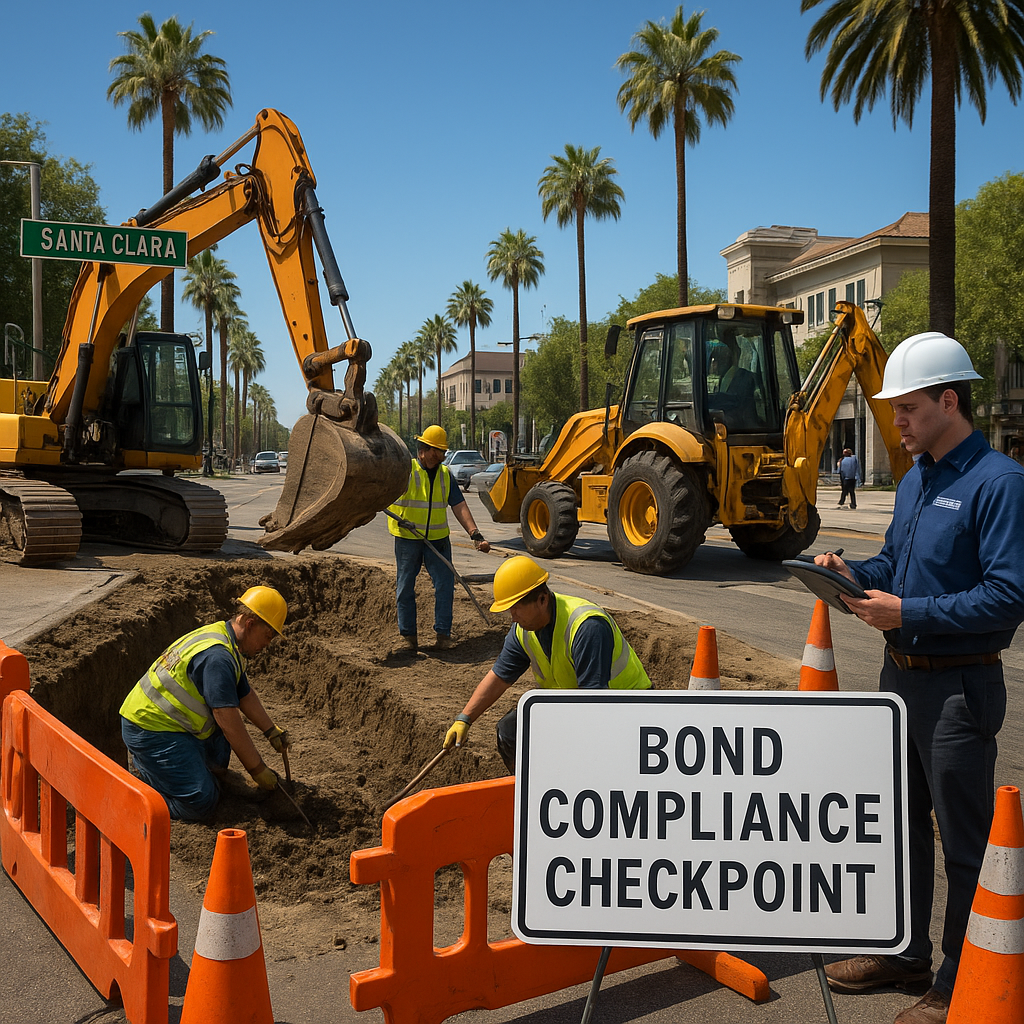
Let’s be honest: digging up a street in Santa Clara isn’t as simple as grabbing a shovel and hoping for the best. Whether you’re replacing a sewer lateral, repairing a water main, or installing new utilities, you’re stepping into a world of rules, permits, and bonds. If you’re a contractor working in the West Valley Sanitation District of Santa Clara City, you already know the words “street excavation bond” come up fast. But what does that bond really mean for your daily work, and how can you stay on the right side of compliance without pulling your hair out?
Think of this post as your friendly, no-nonsense guide. We’ll walk through what the West Valley Sanitation District expects, why the street excavation bond exists, and simple tips to keep your project moving smoothly. No legal jargon, no panic—just practical advice you can use on the job site tomorrow.
What Is the West Valley Sanitation District and Why Does It Matter to Your Excavation Project?
Before we dive into bonds and paperwork, let’s paint a quick picture. The West Valley Sanitation District serves Santa Clara and surrounding areas, managing the sanitary sewer system that keeps everything flowing underground. When you cut into a street, you’re not just breaking asphalt—you’re potentially impacting sewer infrastructure, storm drains, and public safety. That’s why the District requires contractors to follow strict rules. It’s like borrowing a neighbor’s expensive tool: they want to know you’ll return it in perfect shape. The street is public property, and any excavation must leave it as good as new (or better).
If you’re working within the District’s boundaries, you’ll likely need a special permit and a street excavation bond. Ignoring this step can lead to stop-work orders, fines, or a lot of frustrated phone calls. So, what exactly is that bond?
Street Excavation Bond: Your Promise to Do It Right
A street excavation bond is essentially a financial guarantee. You, the contractor, promise to restore the street to its original condition—or to the satisfaction of the District—after your work is done. If something goes wrong, the bond money is there to cover repairs. Simple, right? But here’s where many contractors stumble: the bond isn’t just a one-time fee. It’s a commitment that hangs over the project until the District signs off on the final restoration.
In Santa Clara, the West Valley Sanitation District often requires this bond specifically for any work that disturbs the street surface within their jurisdiction. You might see it called the “Santa Clara CA street excavation bond” on forms. Don’t let the name intimidate you. Think of it as a security deposit on an apartment. You pay it upfront, follow the rules, and you get peace of mind (and eventually a release) once everything checks out.
Who Needs This Bond?
If you’re a street excavating contractor doing any of the following, you almost certainly need one:
- Connecting a new home or business to the sanitary sewer main
- Repairing or replacing a sewer lateral under a public street
- Installing new water, gas, or fiber lines that cross a roadway
- Any deep excavation that could affect the sanitary sewer infrastructure
Even small jobs like a spot repair can trigger the bond requirement. Always check with the District before you break ground. A five-minute phone call can save you a mountain of trouble.
Common Compliance Pitfalls That Trip Up Contractors
You know the drill: you’re juggling schedules, crews, and material deliveries. Compliance paperwork can feel like just another headache. But missing a step here can turn your profit into a loss. Let’s look at some real-world slip-ups and how to avoid them.
1. Starting Work Without a Valid Bond
It sounds obvious, but you’d be surprised how many contractors begin excavation thinking the general contractor’s insurance covers it. Nope. The street excavation bond is separate. The District wants your name on that bond, specifically guaranteeing the street restoration. Never assume someone else took care of it. Verify the bond is in place, and keep a copy on site.
2. Skimping on the Trench Patch
Restoration isn’t just about slapping down some cold patch and calling it a day. The District expects a permanent repair that matches the surrounding pavement structurally and visually. If your trench patch settles or cracks six months later, the bond will be called to fix it. Doing it right the first time—proper compaction, matching asphalt mix, clean saw cuts—is cheaper than redoing it under a claim.
Imagine you’re baking a cake. If you skip the eggs, it might look okay until someone takes a slice and it crumbles. Your street patch is the same: weak preparation leads to early failure, and the District has every right to dig into that bond.
3. Forgetting About Traffic Control and Safety Standards
Compliance isn’t only about the physical repair. During excavation, you must maintain safe traffic flow, proper signage, and protection for pedestrians and bikes. The West Valley Sanitation District coordinates with the City of Santa Clara on this. If a resident complains or an accident happens because your site wasn’t properly secured, you could face additional penalties that jeopardize your bond release.
4. Missing the Final Inspection
Don’t vanish after you backfill. You need the District inspector to come out, check the work, and formally accept the restoration. Until that acceptance letter arrives, your bond is still on the hook. Mark your calendar to schedule the inspection as soon as the pavement cures. Waiting too long can cause delays that nobody wants.
Practical Tips to Stay Compliant and Stress-Free
Now for the good stuff: actionable steps that make compliance feel less like a burden and more like a smart business habit.
Build a Pre-Job Checklist
Before any shovel hits the ground, walk through this list:
- Confirm the project location is within West Valley Sanitation District boundaries.
- Apply for the street excavation permit and obtain the required bond document.
- Verify bond amount and expiration date—some bonds need to remain active for a full year after restoration.
- Photograph the existing street condition (date-stamped). This is your baseline evidence.
- Review the District’s restoration standards for trench width, backfill material, and pavement thickness.
Having a checklist feels like a lot upfront, but it eliminates guesswork when adrenaline is high and the crew is waiting.
Communicate Early and Often with the District
The West Valley Sanitation District isn’t a faceless monolith. Their inspectors and plan checkers are people who want safe, durable roads just like you. If you’re unsure about a detail—say, the acceptable asphalt mix for a heavily trafficked arterial road—ask. Emailing your questions early shows you care about getting it right, and it builds a cooperative relationship. Plus, you’ll have written guidance to rely on if something gets questioned later.
Train Your Crew on the “Why”
Sometimes, the people doing the physical work don’t grasp why a bond exists. Take five minutes in a tailgate meeting to explain: “This bond is our promise that we’ll restore this street so well, nobody can tell we were here. If we mess up, the money comes out of our pocket. That’s why compaction and clean cuts matter.” When your team sees the bigger picture, they’ll take ownership of the quality.
Document Everything Like a Pro
Take progress photos. Save delivery tickets for asphalt and aggregate. Note the compaction test results. If a dispute arises about the quality of your patch, your records become your shield. The District is far more likely to release your bond quickly when you can show them a tidy paper trail.
Consider a “Compliance-Only” Bond Partner if Needed
Some bonds are specifically labeled “compliance only,” meaning they cover the restoration obligation without tying into broader performance bonds for the entire construction project. If you’re a small contractor, this can simplify the process. Talk to your surety agent about a Santa Clara street excavation compliance bond that fits this narrow scope. It often comes with lower fees and clearer terms.
What Happens If You Don’t Comply?
Nobody likes to talk about worst-case scenarios, but knowing the stakes helps you stay sharp. If restoration fails and you don’t fix it voluntarily, the District can make a claim against your bond. The bonding company will pay out, but then they’ll come after you for reimbursement. That’s a direct hit to your business finances. Worse, your reputation with the District takes a beating. Future permits might be harder to obtain or come with stricter conditions. In a tight-knit construction community like Santa Clara, that kind of mark can cost you referrals and relationships.
On top of that, if the poor restoration causes vehicle damage or a pedestrian injury, you could face liability claims that go far beyond the bond amount. So compliance isn’t just about following rules—it’s about protecting your livelihood.
How to Get Your Bond Released Smoothly
Reaching the finish line is a great feeling. Here’s how to make that final step painless:
- After final compaction and paving, give the surface a few days to cure, then walk the site yourself. Look for any edge crumbling, depressions, or cracking.
- Call the District for the final inspection as soon as you’re confident the patch is solid. Don’t wait weeks. The faster they inspect, the faster the bond clock stops ticking.
- Provide your photo documentation and material receipts without being asked. It shows you’re organized and cooperative.
- If the inspector notes a minor deficiency, correct it immediately and request a follow-up. Quick action leaves a positive impression.
Think of bond release as the moment your “security deposit” comes back. A little extra care at the end can turn that moment into a formality, not a headache.
Wrapping It All Up: Compliance Is Simply Good Business
Navigating the West Valley Sanitation District’s street excavation bond requirements might seem like a maze at first, but it’s really about two simple principles: do quality work and keep your promises. When you approach every Santa Clara street cut with respect for the public right-of-way, you’re building more than just a solid patch. You’re building trust with the District, with your clients, and with the community who drives over your work every day.
So, before your next excavation, ask yourself: Do I have the right bond in place? Is my team trained on restoration standards? Have I talked to the District about what they expect? A little preparation goes a long way. And if you ever feel lost, remember that the folks at the West Valley Sanitation District would much rather help you get it right than clean up a mess later.
Good compliance isn’t about jumping through hoops—it’s about taking pride in leaving the street as clean and safe as you found it. Stay sharp, stay bonded, and dig with confidence.