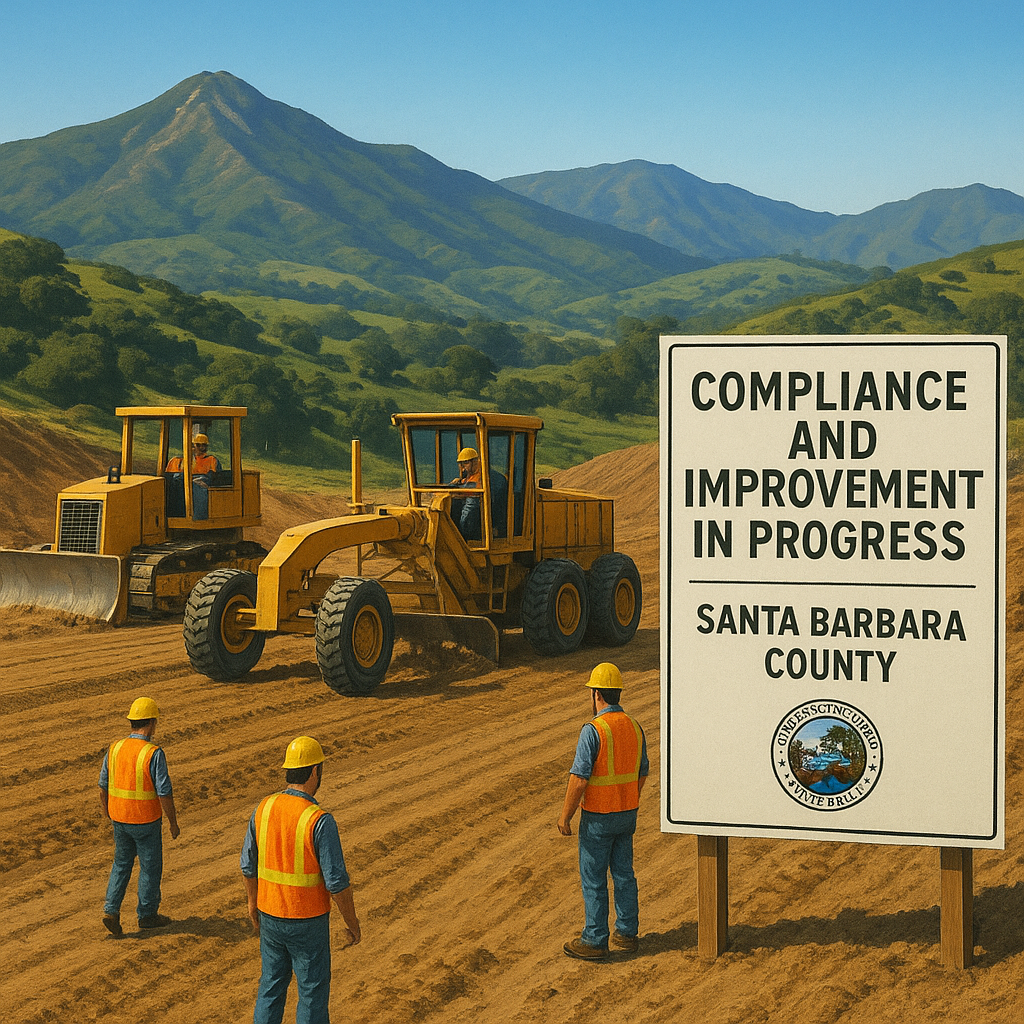
If you’re a grading contractor working in Santa Barbara County, you’ve probably heard the term “grading bond” thrown around. Maybe you’re new to the area and a project manager just told you that you need a Stockpile Bond or an Improvement Bond before you can even break ground. It can feel like just another layer of paperwork. But here’s the thing: understanding these bonds isn’t just about ticking a box. It’s about protecting your business, your clients, and the beautiful landscape that makes Santa Barbara County so unique.
So, what exactly are these bonds? How do they work? And what do you need to do to stay compliant without losing your mind? Let’s walk through it together, step by step, in plain English.
What Is a Santa Barbara County Grading Bond?
At its core, a grading bond is a financial guarantee. Think of it as a promise backed by a surety company. You, the contractor, promise to complete the grading work according to the county’s rules. If you don’t, the surety steps in to cover the cost of fixing any problems—up to the bond amount. The county requires this to ensure that if a project is abandoned or done incorrectly, the land won’t be left a mess, causing erosion, drainage issues, or damage to neighboring properties.
In Santa Barbara County, you’ll often see these referred to as Grading Bonds, Stockpile Bonds, or Improvement Bonds. They’re a common requirement whenever a permit is issued for moving significant amounts of earth. Whether you’re carving out a new vineyard terrace, building a hillside home foundation, or creating a temporary stockpile of material, the county wants to know that the site will be left safe and stable.
The Three Main Types You’ll Encounter
Not all grading bonds are exactly the same. The name often changes depending on the specific phase or purpose of the work. Let’s break down the three most common ones you’ll deal with in Santa Barbara County.
1. The Grading Bond (Standard Site Work)
This is the bread and butter for most excavation and grading contractors. When you pull a grading permit for activities like cutting, filling, or compacting soil, the county will typically ask for a bond that guarantees you’ll complete the rough grading according to the approved plans. It makes sure the slopes are at the right angles, drainage is directed properly, and no unstable conditions are left behind.
2. The Stockpile Bond
Sometimes your project generates more dirt than you can haul away immediately. You might need to create a temporary stockpile on-site or nearby. Santa Barbara County treats these stockpiles seriously—especially given the area’s fire risk and environmental sensitivity. A stockpile bond guarantees that the pile won’t exceed the allowed footprint or height, that it will be managed to control dust, and that it will be removed or regraded by a set deadline. It’s a temporary promise with a clear expiration date, protecting the community from a mountain of dirt becoming a permanent eyesore.
3. The Improvement Bond
An improvement bond often comes into play when the grading is tied to larger public or private infrastructure improvements. This could cover things like building retaining walls, installing storm drain systems, or paving roads within a subdivision. The bond ensures that these improvements, which often follow the initial rough grading, are finished correctly. For a grading contractor, this might mean your part of the job triggers a bond that also covers the concrete work and asphalt that comes later, even if you’re not doing it yourself. It’s a more comprehensive guarantee.
Why Does the County Require This? It’s All About Protection.
Picture this: A contractor starts cutting into a steep hillside for a new driveway. Halfway through, the project runs out of money. The contractor walks away, leaving an exposed slope. Come winter, the rains hit, and that slope starts to erode, sending mud into the street and threatening the neighbor’s property below. Who pays for the cleanup? Who stabilizes the slope? Without a bond, that burden could fall on the homeowner, the neighbors, or the county—meaning taxpayers.
The bond is there to prevent that scenario. It’s a safety net. It protects the county from financial loss and ensures the contractor has a powerful incentive to finish the job right. It also protects you, the contractor, because when you can show you’re bonded, you’re telling clients, “I’m a professional who stands behind my work.”
How Does Compliance Work Step by Step?
Navigating compliance doesn’t have to be a headache. Here’s the typical flow for a grading contractor working in Santa Barbara County.
Step 1: Obtain the Permit Requirements. Before you can get the bond, you need to know exactly what the county is asking for. The planning or building department will list the type of bond, the required amount, and any special conditions. The bond amount is usually based on an engineer’s estimate of what it would cost to complete the work if you had to hire someone else—often a percentage of the total project cost.
Step 2: Apply for the Bond. You’ll go to a surety bond agency (like a specialized insurance broker) and submit an application. They’ll check your credit, your experience, and your financial strength. For smaller bonds, it’s often an instant approval. For larger ones, they might ask for business financials. Once approved, you’ll pay a premium—typically a small percentage of the bond amount.
Step 3: File the Bond with the County. The surety company will issue the bond form. You’ll need to sign it as the principal, and then you file it with Santa Barbara County. This is a crucial detail: the bond isn’t active just because you bought it; the county must accept and record it.
Step 4: Perform the Work. Now you can tackle the grading. Keep everything in strict accordance with the approved plans. Any deviation might require a permit modification, which could also mean updating the bond.
Step 5: Request Release. Once the work is done and the county inspector signs off, you can request a bond release. This is the moment you’ve been waiting for—no more ongoing obligation. The county issues an exoneration, and the bond is officially canceled. However, if the work isn’t completed, or if there’s a violation, the county can make a claim against the bond, and you’ll ultimately be responsible for repaying the surety for any payouts.
Common Pitfalls and How to Avoid Them
Even seasoned contractors stumble sometimes. Here are a few traps to watch out for—and how to steer clear.
- Underestimating the bond amount. Always have the project engineer provide a realistic cost estimate for completion. If the county decides the bond is too low, you’ll be stuck scrambling to increase it mid-project.
- Letting the bond lapse. Some bonds are for a set term. If you’re taking longer than expected, make sure to extend the bond before it expires. A lapsed bond means you’re out of compliance, and the county can shut you down.
- Mixing up bond types. A stockpile bond and a grading bond are not interchangeable. If you’re stockpiling material, but your bond only covers the grading of the pad, you’ll be in hot water. Double-check the permit’s exact wording.
- Failing to maintain communication. If something changes—say the property owner decides to add a retaining wall—tell the county and adjust the bond. Silence can lead to a violation notice and a possible claim.
What Does This Mean for Your Business?
Being a “compliance only” contractor might sound limiting, but in reality, it’s a mark of professionalism. By proactively managing your bonding requirements, you build trust with local agencies. That can lead to smoother inspections and fewer delays. It also opens the door to larger projects, because many private developers require bonding even when the county doesn’t—they’ve seen too many unfinished sites.
Plus, think about it from a homeowner’s perspective. If someone is about to tear up their land, they want to know you’re bonded. It’s a conversation closer: “Yes, we carry all required Santa Barbara County grading and stockpile bonds, so your property is fully protected.” That’s peace of mind you’re selling.
Finding the Right Surety Partner
Not all surety agencies understand grading contractor bonds. You want a partner who knows Santa Barbara County’s specific nuances. A local or specialized bond agency can often get you better rates and faster turnaround because they know what the county clerks expect. They can also help you navigate tricky situations, like bonding for a project in a high-fire zone with extra environmental rules.
Ask questions before you commit. “Do you handle many Santa Barbara County improvement bonds? Can you help me with a stockpile bond rush? What do you need from me to get this done in 24 hours?” A good agent will talk to you like a person, not a form number.
Wrapping It All Up
Grading and improvement bonds in Santa Barbara County are more than just another fee. They’re a critical part of responsible land development. They guarantee that the natural beauty of the region isn’t sacrificed for short-term profit, and they give everyone involved—contractors, property owners, neighbors—the confidence that a project will be done right.
If you’re diving into a new grading project, start the bond conversation early. Get clear on which type you need, the exact bond amount, and the timeline. Then partner with a surety professional who makes the process painless. With that box checked, you can focus on what you do best: moving earth safely, efficiently, and creatively.
Got a grading permit on your desk right now? Don’t let the bond requirement intimidate you. Consider it your bulldozer’s best friend—keeping you on solid ground from the first scoop to the final sign-off.