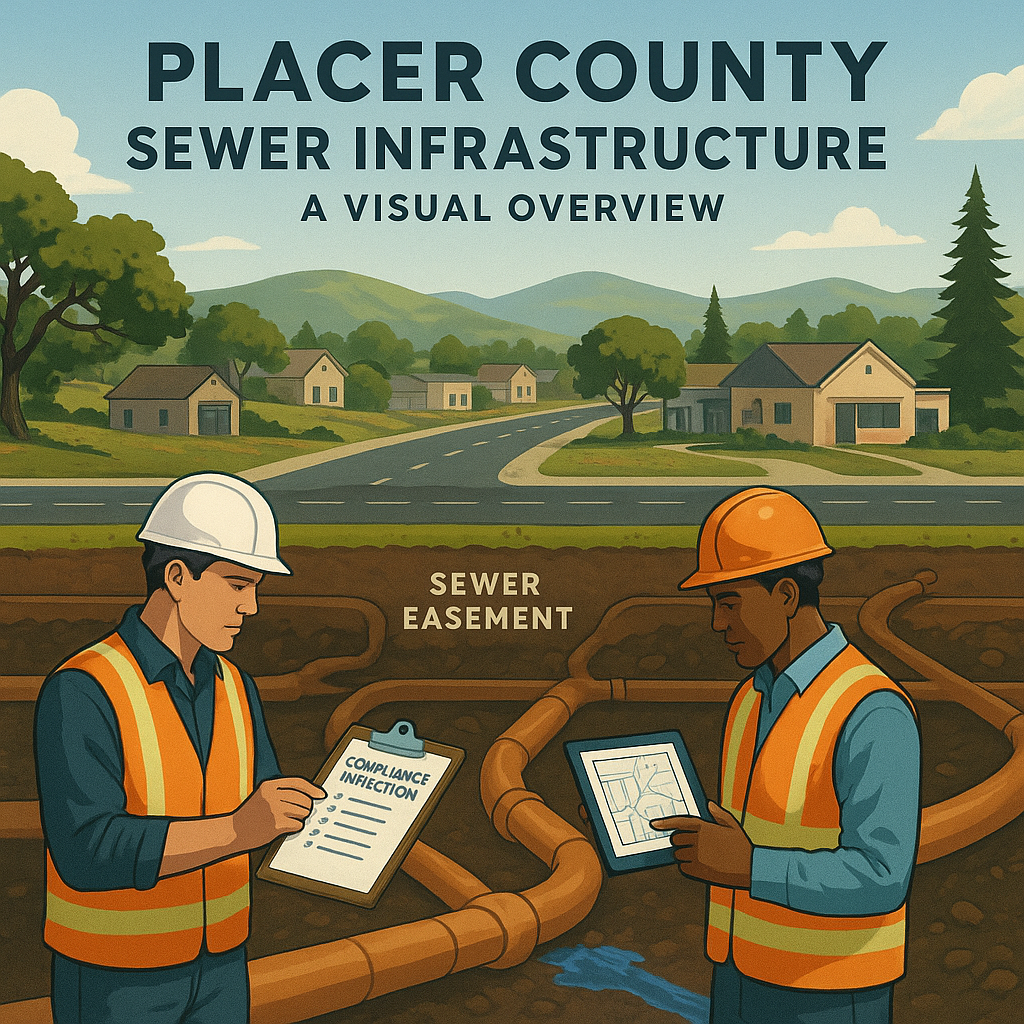
Picture this: you’re a homeowner in Placer County, enjoying the serene foothills of the Sierra Nevada, when you get a notice about a new sewer line connection running through a strip of your property. Questions start swirling. Who handles the work? What if something goes wrong? That’s exactly where the county’s renewed focus on sewer easement line connections and contractor bonds steps in—offering clarity, protection, and peace of mind.
If you’ve recently come across terms like “Placer County CA Sewer Easement Line Connections Bond” or “Sewer Contractor – Compliance Only,” you might think it’s just another layer of bureaucratic red tape. But in reality, it’s a forward-thinking move that strengthens our local infrastructure while looking out for residents and the environment. Let’s unpack what this all means in plain, everyday language.
What Exactly Is a Sewer Easement?
An easement is simply a legal permission slip. It says that even though you own your land, a utility company or the county can use a specific strip of it for something important—like laying sewer pipes. Think of it like letting your neighbor use a path across your yard to reach their own property. You still own the grass, but they have a right to walk on that designated path.
In Placer County, as neighborhoods grow and older pipes need upgrading, the county must sometimes run new sewer lines through private properties to keep everything flowing smoothly. These easement line connections tie homes and businesses into the main sewer network, ensuring no one is left relying on an outdated or failing septic system. It’s a behind-the-scenes upgrade that’s easy to take for granted—until a backup happens.
Why Placer County Is Putting Bond Requirements Front and Center
Whenever dirt is dug up and heavy machinery rolls onto an easement, risks tag along. A poorly done connection can damage landscaping, crack driveways, or even cause raw sewage to leak into the ground. That’s where the Placer County CA Sewer Easement Line Connections Bond comes into play. It’s a financial guarantee posted by the contractor, held by a surety company, that promises the job will be done right.
Many people haven’t heard of a “compliance only” bond until they need one. This isn’t a bond that covers every possible mishap on a job site; it specifically guarantees that the contractor follows all county codes, regulations, and easement agreements. If a contractor cuts corners—say, they forget to restore the soil properly or don’t compact the trench as required—the county can step in and use the bond to fix the problem, without dipping into taxpayer dollars.
“Compliance Only” Doesn’t Mean Less Protection
You might wonder: if the bond is “compliance only,” does it leave homeowners hanging? Not at all. Because the bond enforces adherence to local rules, those rules are designed to protect your property. The county’s standards cover things like erosion control, proper pipe bedding, and final surface restoration. When a bonded contractor follows the book, your yard gets returned to its original condition, and the sewer connection works reliably for decades.
It’s kind of like hiring a caterer who’s required to put down a deposit that guarantees they’ll clean up after the party. They might still burn the toast, but you’re not stuck scrubbing dishes at midnight. The bond gives everyone a shared safety net.
How the Sewer Contractor Bond Works in the Real World
Let’s walk through a typical scenario. Imagine a family on a quiet cul-de-sac in Roseville needs a new sewer lateral connected through a neighbor’s easement. The contractor pulls permits and must file a bond with Placer County before breaking ground. The bond amount is set based on the project’s scope—often in the range of several thousand dollars—and acts like a promise with teeth.
If the contractor finishes the job, passes inspection, and the county signs off, the bond just sits in the file as a record of good work. But if there’s a violation—say the contractor failed to notify the county of a change in plans, or left the trench open for days—the county can make a claim against the bond. The surety company then investigates and, if the claim is valid, pays out to cover the cost of bringing things back into compliance. The contractor must then repay the surety, so there’s a strong incentive to avoid cutting corners in the first place.
Why This Matters for Every Placer County Resident
Even if you’re not directly involved in a construction project, you benefit. Proper sewer connections prevent nasty things like groundwater contamination and sinkholes. They keep neighborhood streets from flooding with untreated wastewater during heavy rains. And they protect property values—you don’t want a home where the yard smells like a treatment plant because a sloppy contractor skipped a step.
The bond requirement also levels the playing field for contractors. Companies that have a track record of compliance can get bonded easily and at a lower cost. Those with a history of shoddy work find it harder to secure a bond, which naturally weeds them out of public easement projects. It’s a self-cleaning system that raises the bar for everyone.
Navigating the Placer County Sewer Easement Line Connections Bond as a Contractor
If you’re a sewer contractor looking at a project in areas like Auburn, Lincoln, or Tahoe, you’ll hear the term “Sewer Contractor – Compliance Only” bond. Don’t let the label intimidate you. Getting bonded is a straightforward process, especially when you work with a knowledgeable surety agent who understands California’s specific requirements.
Most contractors start by gathering a few essentials:
- A current contractor’s license in good standing with the state of California.
- Project details including the scope of work and estimated cost.
- Credit and business financials—the surety company will do a quick review, similar to applying for a loan, except the focus is on your reliability, not just your credit score.
- A clear understanding of the county’s permit conditions and easement agreement.
Once approved, you pay a small percentage of the total bond amount as a premium—often between 1% and 5% for contractors with solid credentials. That premium is a fraction of the peace of mind you’re offering your client and the county. Most bonds can be issued within a day or two, so there’s no need to delay a project as long as you plan ahead.
Common Misconceptions That Trip People Up
There’s a bit of confusion floating around, so let’s clear the air. Some folks think a bond is the same as insurance. It’s not. Insurance protects the contractor. A bond protects the county and, by extension, the public. If a contractor causes damage, insurance might pay to repair your property, but the bond ensures the contractor follows the rules from start to finish.
Another myth: “I’m a small operator, so I don’t need a bond.” In Placer County, if you’re touching a sewer easement that involves a public connection, you absolutely do, regardless of your company size. The requirement levels the field and ensures a one-man crew follows the same standards as a large underground construction firm.
What This Means for Placer County’s Future
The push for enhanced sewer systems with proper easement line connections is a sign of a community thinking ahead. Placer County’s population has grown steadily, and with more people comes more stress on underground infrastructure. By tightening compliance through bonds, the county is proactively safeguarding its natural beauty—think of the crystal-clear waters of the American River and the pristine landscapes around Folsom Lake.
Homeowners can rest easier knowing that when a sewer easement runs through their backyard, the work isn’t just a handshake deal. It’s backed by a legal guarantee that the job will meet rigorous standards. The bond is more than a piece of paper; it’s a commitment to doing things correctly, from the first shovel of dirt to the final blade of grass that gets put back in place.
Questions You Might Be Asking
You might still have a few lingering thoughts. For example, “Does this bond requirement apply to emergency repairs?” Generally, yes. Even quick fixes within an easement need a bond, though the county may expedite permits in a crisis. Always check with the Placer County Community Development Resource Agency before starting any work—they’ll guide you through the specifics and help you stay compliant.
Or perhaps, “What if I’m a homeowner hiring a contractor—should I ask about the bond?” Absolutely. Ask your contractor to show proof of the required Placer County Sewer Easement Line Connections Bond before they dig. A reputable contractor will be happy to provide it. If they dodge the question or insist it’s not needed when the county says otherwise, that’s a red flag waving in the Sierra breeze.
At the end of the day, the new emphasis on sewer easement line connections and bonding isn’t about making life complicated. It’s about protecting the place we all call home. Whether you’re a contractor pouring a morning coffee before heading to a job site in Colfax, or a homeowner watching the sunrise over your rose bushes, you can appreciate that some promises are worth putting in writing—and backing with a bond.