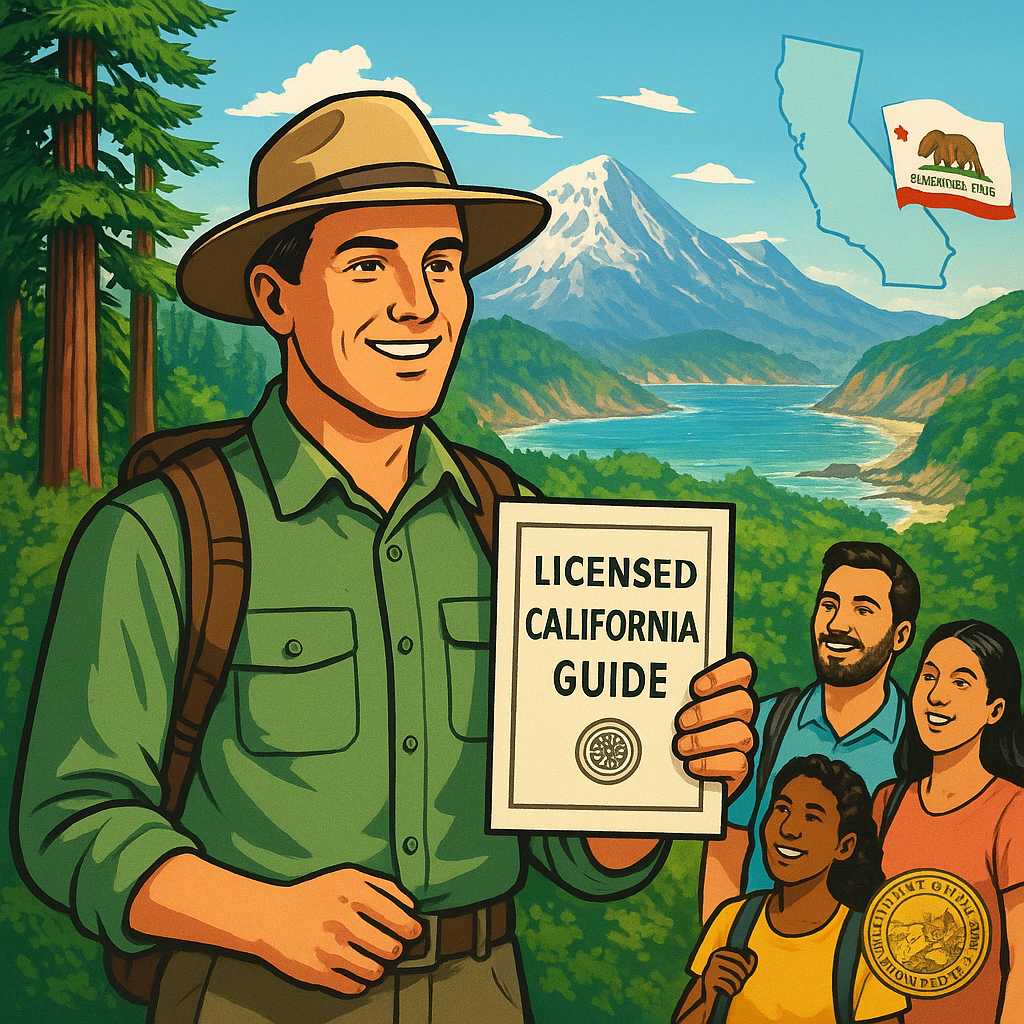
So, you’re ready to share the beauty of California’s great outdoors with others. Maybe you’re leading fly-fishing trips in the Sierra Nevada, taking hikers through ancient redwood forests, or guiding whitewater rafting adventures on the American River. That’s amazing! But before you pick up your first client, there’s an important piece of paperwork you’ll need to lock down: the California Guide License Bond. If this term sounds a bit intimidating, don’t worry. Think of it as a promise you make to both the state and your customers—a promise that you’ll play by the rules.
What Exactly Is a California Guide License Bond?
Let’s break it down without the legal jargon. A California Guide License Bond is a type of surety bond that the State of California requires for many professional guides. It’s not insurance for you; it’s a financial safety net for your clients and the state. Imagine it as a three-way handshake between you (the guide), the state (the obligee), and a surety company (the financial backer). You pay a premium to the surety company. In return, the surety tells the state, “We guarantee this guide will follow all applicable laws and treat customers fairly.” If you don’t, and someone suffers a financial loss because of it, that bond can be used to make things right.
Does this bond cover your climbing gear or your raft if it gets damaged? No. It specifically protects against things like fraud, breach of contract, or violating state regulations governing guides. It’s a trust builder, pure and simple.
Why Does the State Require This Bond?
You might be wondering, “Why me? I run an honest business.” California asks for this bond for the same reason many professionals—from contractors to car dealers—need to be bonded. It’s about consumer protection. When someone hires a guide, they’re putting their safety and hard-earned vacation dollars in your hands. The CA Guide License bond requirement ensures that if a guide operates unethically or illegally, the harmed party has a way to recover damages without a messy, drawn-out legal battle. Ultimately, it weaves a layer of accountability into the industry, which makes the entire profession more reputable.
Who Needs to Get Bonded?
Not every single outdoor enthusiast with a business card needs this bond. The specific requirement typically applies to guides who must be licensed by the California Department of Fish and Wildlife (CDFW) or those operating on certain federal lands like national forests where a special use permit is required. Common types of guides that often need a State of California guide bond include:
- Hunting Guides: Professionals who lead trips for game birds, big game, or other wildlife.
- Fishing Guides: Anyone taking clients out on lakes, rivers, or the Pacific Ocean to fish.
- Whitewater Rafting Guides: Companies and individuals running trips down California’s many rapids.
- Hiking and Backpacking Guides: Outfitters leading multi-day treks through state parks or wilderness areas.
Always check with the specific licensing agency that governs your activity. They will tell you the exact bond amount and form they need. The bond is often a non-negotiable box on your application checklist. No bond, no license.
How Much Does a Guide License Bond Cost?
This is where people let out a sigh of relief. When the state sets a bond amount—say, $5,000, $10,000, or $15,000—that is not the price you pay. That’s the total coverage amount the bond provides. You only pay a small percentage of that figure as a yearly premium. Think of it like buying car insurance: you’re not paying the full policy limit every year, just the insurance premium.
So, what determines your premium? The surety company will usually run a soft credit check. If you have solid credit, you might pay as little as 1% to 3% of the total bond amount. For a $10,000 bond, that could be just $100 for a full year of coverage. Even if your credit has a few bumps, you can still get bonded. Many agencies offer programs for all credit types, though the percentage might be slightly higher. It’s a cost-effective way to get your business up and running compliantly.
Navigating the Bonding Process in 4 Simple Steps
Getting your Guide License Bond doesn’t have to be a headache. In fact, the process is surprisingly quick in the digital age. Here’s a straightforward path to getting bonded:
Step 1: Know Your Required Bond Amount
Your first stop should be the licensing department. Read through your application packet carefully. They will state the exact bond amount you need. Never guess, as getting the wrong amount will delay your license.
Step 2: Apply Online or Through an Agency
Find a reputable surety bond company. Fill out their simple application, which will ask for basic info about you and your business. You can often get a quote in minutes. There’s no need to visit an office—everything can be handled online.
Step 3: Pay Your Premium
Once approved, you’ll pay that small premium. Immediately after payment, the surety company gets to work preparing your official bond form.
Step 4: File the Bond and Get Your License
The surety will send you the completed bond document. You then include this original form with your license application to the state. That’s it! You’ve checked the bond box and are one giant step closer to guiding legally.
What Happens If a Claim Is Filed Against Your Bond?
Let’s address the elephant in the room. What if a client accuses you of something and files a claim? First, don’t panic. The surety company will investigate. If the claim is valid and you truly owe money, the surety will pay the client up to the bond limit. Sounds like insurance, right? Here’s the critical difference: the surety will then come to you for reimbursement. You signed an indemnity agreement, which means you’re ultimately responsible for covering the loss. So, the best approach is to always operate with integrity and clear communication to avoid claims in the first place.
Common Questions Guides Ask
Let’s clear up some confusion with a few questions we hear all the time.
Is the Guide License Bond the Same as Liability Insurance?
Absolutely not. They are totally different. Liability insurance protects you if someone gets hurt during a trip or if you accidentally damage property. It covers bodily injury and accidents. The bond, on the other hand, protects against financial wrongdoing, like taking a deposit and vanishing or not delivering the promised services. Smart guides carry both.
How Long Does the Bond Last?
Most bonds are issued for a one-year term and must be renewed annually at the same time you renew your guide license. Mark your calendar so you don’t accidentally let it lapse.
Can I Get Bonded If I Have Bad Credit?
Yes, you can. Surety companies understand that life happens. While the best rates go to those with good credit, plenty of programs exist for people rebuilding their credit. Your premium may just be a bit higher.
Why This Little Bond Is a Big Win for Your Business
On the surface, a bond feels like just another bureaucratic hurdle. But flip the script. Tell your clients you’re licensed and bonded in the State of California. Watch their reaction. That phrase instantly builds trust. It tells potential customers that you’re a legitimate professional, not some fly-by-night operation. It says you’re accountable and that an independent third party has vouched for you. In a competitive field, being bonded can be the deciding factor for a family choosing between you and an unverified competitor down the street. It’s a marketing advantage hidden inside a regulatory requirement.
Let’s Get You Outdoors
The path to running a successful guiding service in California is filled with excitement, natural wonder, and yes, a bit of paperwork. The California Guide License Bond is a manageable, low-cost requirement that serves a giant purpose: protecting the very people you’re excited to lead. By securing your bond, you’re not just complying with state law. You’re laying a foundation of integrity for your business. So get that bond in place, file your license, and then go do what you love most. Those mountain trails, golden coastlines, and wild rivers are calling.