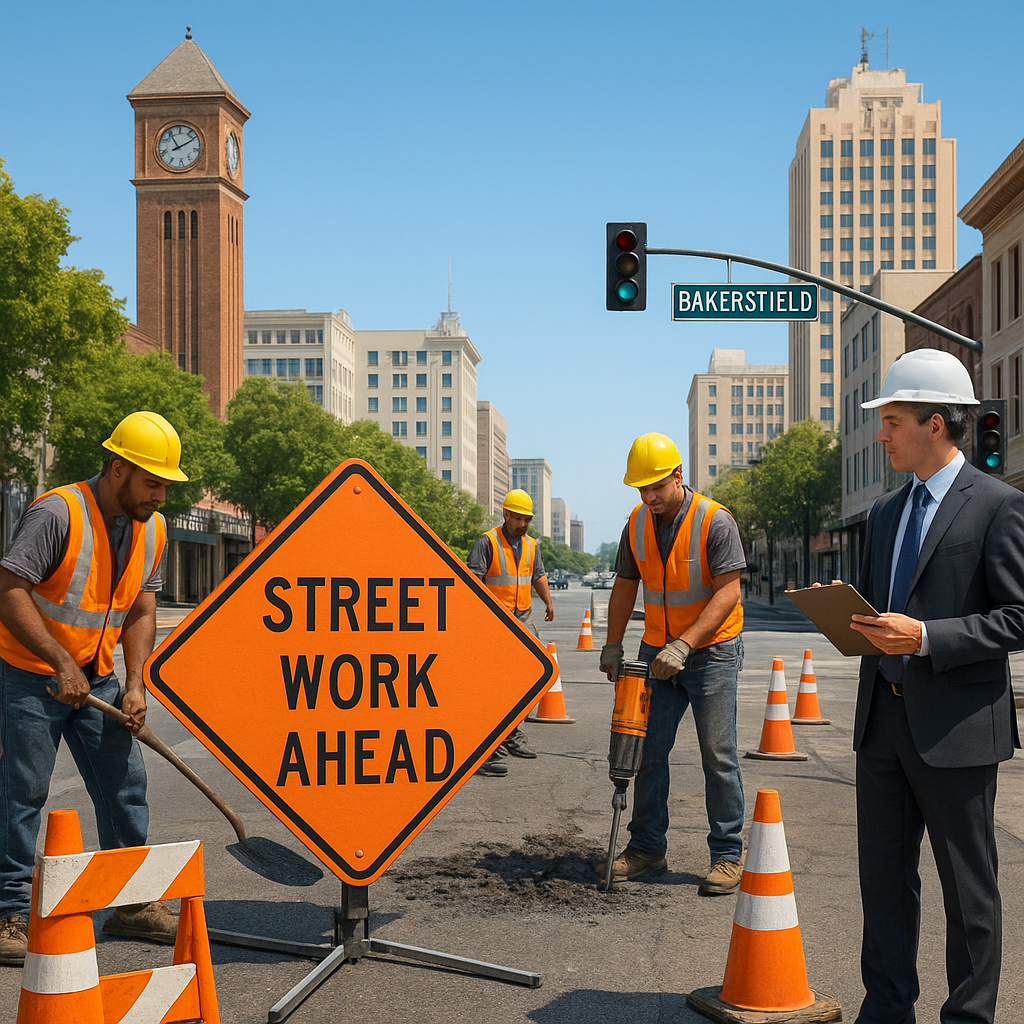
Why You Might Need to Dig Into the Street in Bakersfield
Picture this: you’re a homeowner in Bakersfield, finally ready to install that new sewer line or run a fresh water service to your property. Or maybe you’re a contractor hired to bring fiber optic internet to a neighborhood. Sooner or later, someone has to cut into the asphalt of a public street. That’s where the City of Bakersfield steps in with its street opening permit. It sounds technical, but it’s really just a safety and accountability tool. And often, it comes with something called a street permit bond. Let’s unpack what that means in plain English, so you can get your project rolling without a headache.
What Exactly Is a Street Opening Permit?
Think of a street opening permit as official permission from the City of Bakersfield to temporarily disturb a public road, alley, or sidewalk. It’s not just a piece of paper. It’s a contract between you and the city. You promise to follow their rules for digging, backfilling, and repaving. The city promises to inspect your work and make sure the street ends up just as safe and smooth as it was before — or better.
Without this permit, any excavation in the public right-of-way is illegal. You could face fines, forced restoration, and a whole lot of frustration. So if you ever ask yourself, “Do I really need a permit for a small trench?” the answer is almost always yes when it touches public property.
What Counts as a Street Opening?
The city considers many activities a “street opening.” It’s not just full-scale road demolition. Here are some common examples:
- Connecting a new home or business to the public sewer or water main.
- Repairing a broken underground pipe that runs beneath the asphalt.
- Installing underground power lines, gas pipes, or telecommunication cables.
- Creating a new driveway apron that crosses the city sidewalk.
- Trenching to lay conduit for streetlights or traffic signals.
Basically, if you make a hole in the street, cut the curb, or tunnel under a sidewalk, you’re looking at a street opening permit from the City of Bakersfield, California.
The Street Permit Bond: A Promise Wrapped in Financial Protection
Here’s where many people scratch their heads. When you apply for a street opening permit, the city may ask you to secure a street permit bond. You might see this called a Bakersfield street opening bond, a street excavation bond, or simply a street permit bond. They all mean the same thing. But what is it, really?
A street permit bond is a three-party guarantee. You, the person doing the work, are the principal. The City of Bakersfield is the obligee — the one requiring the bond. And an insurance or surety company backs you financially. If you fail to properly restore the street according to city standards, the city can tap into the bond to fix the problem. It’s like a security deposit, but instead of tying up your cash, you pay a small premium for a bond that covers a larger amount.
Why does Bakersfield require this? Because the city has a duty to protect its roads and the taxpayers who use them. A poorly patched trench can sink, crack, or create a dangerous pothole. The bond ensures there’s money set aside to make repairs, even if the original contractor disappears. It shifts the risk away from the community and onto the bond provider.
Does Every Project Need a Bond?
Not automatically, but it’s very common for work that breaks the pavement. Smaller jobs, like a quick pavement cut for a utility locate, might only need a permit and a refundable cash deposit. But larger excavations — especially those that trigger an encroachment or occupy a lane for more than a day — almost always require a surety bond. The exact threshold can vary, so it’s wise to call the Bakersfield Public Works Department early. Ask them directly: “Based on the scope of my work, will I need a City of Bakersfield street permit bond?” The answer can save you from scrambling at the last minute.
How the Application Process Usually Works
Navigating any city’s permitting process can feel like stepping into a maze. I’ll break it down into a realistic sequence, so you know what to expect. Remember, this is a general guide; always confirm current requirements with the City of Bakersfield, as rules can change.
1. Gather Your Project Details
Before you even step foot in the permit office, collect everything you need. A detailed site plan helps enormously. Mark the exact location, depth, and length of your excavation. Note which traffic lanes or sidewalks you’ll affect. If a professional engineer designed the restoration plan, have that stamped drawing ready. The city wants to see that you’re serious and prepared, not just guessing.
2. Submit Your Application
Head to the Building Division or Engineering Department at City Hall. You’ll fill out an application for a street opening permit. Pay any plan review fees. The city reviews your proposal to make sure it meets current codes — things like minimum trench backfill compaction, asphalt thickness, and public safety requirements. They may also coordinate with other utilities (PG&E, AT&T, etc.) to avoid conflicts.
3. Obtain Your Bond (If Required)
If the reviewer says you need a street permit bond, don’t panic. This step is often the fastest. You can purchase a surety bond through an insurance agent or a specialized bond provider. The bond amount might depend on the estimated restoration cost. Often, it ranges from $5,000 to $25,000, but it could be higher for major cuts. You pay only a fraction of that amount annually — usually between 1% and 5% for well-qualified applicants. The bond company will issue a bond form naming the City of Bakersfield as the obligee. Keep that original document safe; you’ll need to provide it to the city before your permit is issued.
4. Pay Fees and Get Your Permit
Once your plans are approved and the bond is on file, it’s time to pay the permit fee. The fee structure often factors in the square footage of disturbed pavement and the duration of the project. After payment, you’ll receive your physical permit. Display it on-site as instructed. Now you’re legal to begin digging — but only within the approved window.
5. Inspections and Final Sign-Off
Don’t think your job is done when you lay down the last scoop of hot asphalt. The city will schedule inspections during and after backfill. They’ll check ground compaction, base rock, and the final paving. If everything looks solid, they’ll close out the permit and release your bond obligation. If something’s off — say the patch sinks after a few months — that bond remains in play until the issue is resolved. This is why doing careful work from day one protects your bond record and your reputation.
Helpful Tips for a Smooth Bakersfield Street Opening Project
I’ve spoken with contractors who breeze through the permit stage and others who get tangled for weeks. The difference usually comes down to preparation and respectful communication. Try these practical moves:
- Start early. Don’t expect a same-day permit. Plan on at least a few days for review, especially if plans need revision.
- Communicate with your bond provider in advance. Have them ready to issue the bond the moment the city requests it. This avoids a bottleneck.
- Account for traffic control. A street opening often means lane closures. You’ll need a traffic control plan that meets Caltrans and city standards, which may require additional approvals.
- Document everything. Take photos before you dig, during the work, and after restoration. If a dispute ever arises about the condition of the street, those photos are gold.
- Know your contractor responsibilities. If you’re a homeowner hiring a licensed contractor, confirm who pulls the permit and secures the bond. Many contractors do this for you, but your name could still appear if you’re the property owner benefiting from the work. Clarity upfront prevents confusion.
Common Questions About Bakersfield Street Opening Bonds
Let’s tackle a few worries that pop up. If you’re new to surety bonds, these answers can demystify the process.
“How much does a street permit bond cost me?”
Not as much as you might think. If the bond amount is $10,000, your premium could be just $100 to $300 per year, depending on your credit and the surety’s rates. It’s a small line item compared to the overall project expense. And unlike a cash deposit, your working capital stays in your pocket.
“Is a bond the same as insurance?”
Not exactly. Insurance protects you from unforeseen accidents. A surety bond protects the city. If the city makes a claim on your bond, the surety pays out, but then they’ll come to you for reimbursement. Think of it as a form of credit extended by the bonding company. You’re still ultimately responsible for the work.
“Can I get the bond if I have less-than-perfect credit?”
Often, yes. Some sureties specialize in working with applicants who have challenged credit. The premium might be a bit higher, but it’s usually possible. It never hurts to ask for a quote.
“What happens after the work is done and the inspector signs off?”
Once the city formally accepts the restoration, they typically release the bond, or at least relieve you of the obligation for that specific permit. Always keep the release letter in your files. You don’t want an old, expired bond still showing as active on city records.
Why All This Matters for Bakersfield Homeowners and Businesses
Street opening permits and bonds aren’t red tape for the sake of red tape. They’re a community safeguard. Have you ever driven over a sunken trench patch that rattles your car? That’s what happens without proper oversight. By requiring a permit and a bond, the City of Bakersfield protects everyone — drivers, cyclists, pedestrians, and the underground utilities themselves. When you follow the process, you contribute to safer, longer-lasting streets.
If you’re still feeling a bit overwhelmed, start with a simple phone call to the city’s engineering division. Explain your project in everyday words: “I need to replace a water line that runs under the street in front of my house. Can you walk me through what you need from me?” They’ll guide you toward the right forms, fee estimates, and bond requirements. Pair that with a reliable surety bond agent, and you’ll be holding a valid permit faster than you thought possible.
Digging up a public street is a big responsibility. But with the right preparation, the Bakersfield street opening permit and bond process is just a manageable step on your way to a successful project.