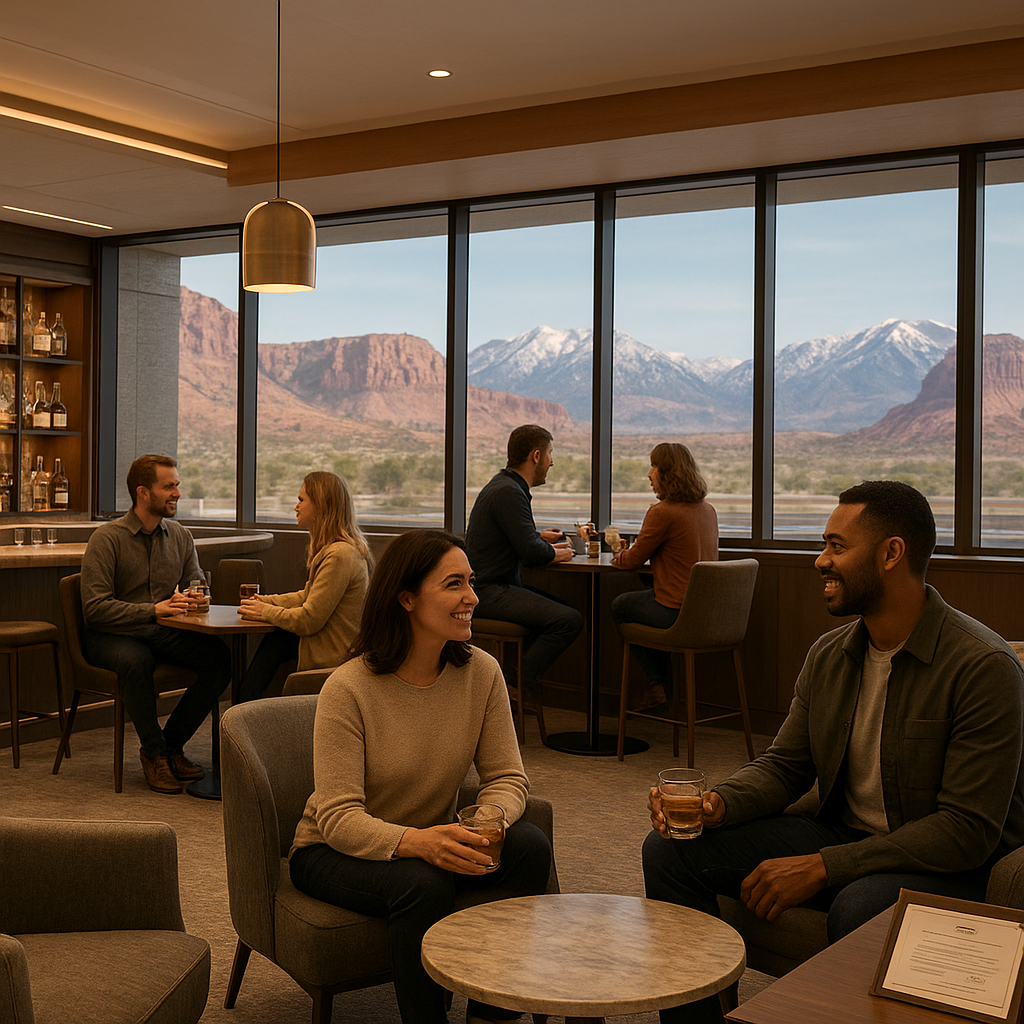
Have you ever tried to order a drink at an airport lounge, only to find the rules suddenly different from what you’re used to? If you’ve passed through Salt Lake City International Airport, you may have noticed that enjoying a glass of wine or a cocktail before a flight comes with a few extra layers of state-specific oversight. And no, it’s not your imagination. Utah has one of the most distinctive approaches to alcohol service in the country, and it extends right into the airport terminals. So what exactly is going on behind that lounge bar, and why does the Utah Department of Alcoholic Beverage Control play such a starring role?
Why Utah’s Alcohol Rules Are Different From the Start
Let’s paint a quick picture. In many states, airport lounges operate under the same broad hospitality guidelines as any restaurant or bar, often managed by local health and liquor boards. But Utah dances to its own beat. The state’s alcohol policies are shaped by a history of tight control, driven largely by cultural and religious influences that go back generations. The result? A system where the Utah Department of Alcoholic Beverage Control (DABC) acts as both a regulator and, in some cases, the actual seller of alcohol.
What that means for an airport lounge isn’t just about when they can pour a drink. It’s about a web of requirements that includes licensing, training, and sometimes a financial guarantee called a liquor bond. If those words make you think of paperwork and red tape, you’re right—but there’s a good reason behind it. Utah wants to make absolutely sure that every drop of alcohol served within its borders follows the law to the letter.
The Utah Airport Lounge Liquor Bond: What Is It Really?
Here’s where things get interesting. An Utah airport lounge liquor bond isn’t some mysterious tax or ticket to sell booze. Think of it as a promise, backed by money, that the lounge will play by the rules. More formally, it’s a type of surety bond required by the DABC for certain alcohol-serving establishments, including those inside airports. If the lounge violates state alcohol laws—say, by serving a minor or ignoring serving hours—the bond can be used to pay fines or compensation. It protects the state and, ultimately, the public.
You might wonder, is a bond really necessary for a little pre-flight relaxation? From the state’s eyes, yes. Airport lounges occupy a unique space. They serve a rotating crowd of travelers who may not know Utah’s laws, and they operate in an environment where people are often stressed or in a hurry. The bond adds a financial accountability layer that encourages strict compliance. It’s like a security deposit that helps keep everyone honest.
How the Utah Department of Alcoholic Beverage Control Shapes Your Lounge Visit
The DABC doesn’t just sit in an office filing paperwork. Its fingerprints are on nearly every aspect of alcohol service in Utah, and airport lounges are no exception. First, any lounge that wants to serve liquor, beer, or wine must hold the correct license. The application process involves thorough background checks, detailed floor plans, and proof of training for staff. Then there are the operational rules. These can include mandatory food service during certain hours, strict limits on pour sizes, and a ban on anything resembling “happy hour” promotions that discount drinks too aggressively.
For a traveler, this might translate to a slightly different rhythm at the bar. You might be asked if you’d like food with your drink before noon, or notice that the cocktail menu avoids certain playful names that might be seen as encouraging overconsumption. None of this is meant to ruin the experience; it’s simply Utah’s way of keeping alcohol service responsible and transparent. And yes, the airport lounge liquor bond sits behind all of it, ready to step in if things go sideways.
Why Would a Lounge Need a Special Bond for Alcohol?
At this point, you might be asking, “Aren’t regular business licenses enough?” Not when it comes to alcohol in Utah. The state separates alcohol from other business activities because it considers liquor a high-risk product that demands extra guardrails. The bond is essentially a risk management tool. If a lounge breaks the law—unintentionally or not—the state has a mechanism to recover damages without lengthy court battles. For the lounge, having a bond shows they’re serious about following regulations and protecting their customers.
Let’s put it in human terms. Imagine you’re renting a high-end camera for a trip. The rental company asks for a deposit in case you break it. That deposit motivates you to treat the equipment carefully. The liquor bond works the same way: it motivates the lounge to train its bartenders well, check IDs meticulously, and stick to all DABC mandates. If they don’t, that “deposit” is at risk.
The Real-World Impact on Your Airport Lounge Experience
Now for the part that matters most: how does all this affect you, the traveler? The good news is that it often creates a surprisingly orderly and comfortable environment. Because lounges must follow clear protocols, you’re less likely to encounter rowdy behavior or over-serving. Service tends to be attentive, with staff who are well-versed in both hospitality and the law. You’ll also find that the space is designed to include food options naturally, not as an afterthought.
However, it may mean you can’t grab a double shot of whiskey exactly when you want it, or that last call comes a bit earlier than you’d expect. Some lounges might only serve drinks if you’re seated in a designated area. These small quirks are a direct result of DABC regulations and the bond-backed accountability system. Once you understand the reasoning, it becomes less of an inconvenience and more of a cultural signature.
Common Questions Travelers Have About Utah’s Airport Alcohol Rules
Can I buy alcohol at the airport at any time?
Service hours are determined by license type and DABC rules. While airport lounges often have extended hours, they still follow Utah’s broader service time restrictions. Don’t expect a full bar at 2 a.m. even if your flight is delayed.
Is it true that drinks can’t be too strong?
Essentially, yes. Utah law regulates the amount of primary liquor in a cocktail. Bartenders are trained to measure precisely, so your drink won’t accidentally become a triple. This is part of the state’s effort to promote moderation, and the bond reinforces that the lounge must comply.
What happens if a lounge breaks the rules?
The DABC can issue fines, suspend a license, or make a claim against the airport lounge liquor bond. Repeated violations could shut the lounge down entirely. It’s a powerful incentive to stay compliant, which in turn protects you.
How the Bond Process Works Behind the Scenes
For those who love a little behind-the-curtain knowledge, the bond process is straightforward but fascinating. The lounge operator works with a surety company to secure a bond in an amount set by the DABC. This bond is then filed with the state. If the state ever files a valid claim, the surety pays out up to the bond limit. But the lounge is ultimately responsible for reimbursing the surety. So it’s not a get-out-of-jail-free card; it’s a financial safety net that encourages continuous compliance.
This system also keeps the DABC from having to micromanage every single transaction. Instead, the bond creates a built-in enforcement mechanism that encourages self-regulation. For travelers, that means you’re walking into a lounge that has undergone rigorous vetting and continues to operate under a structure of accountability.
What Makes Salt Lake City’s Airport Lounge Scene Unique
Salt Lake City International Airport has grown significantly in recent years, and its lounges reflect a blend of modern comfort and Utah’s distinctive character. You’ll find locally sourced snacks, craft beers from Utah breweries, and sometimes even zero-proof cocktails that are thoughtfully crafted. This showcases how lounges adapt to both the regulations and the local palate. The bond requirement hasn’t stifled creativity; if anything, it has spurred innovation in non-alcoholic options and food pairings.
Visitors often note a welcoming, calm atmosphere that stands in contrast to the rushed energy of other major hubs. Part of that calm comes from the controlled alcohol environment. When everyone is sipping at a measured pace, the vibe stays pleasant. It’s an unintentional benefit of a system designed primarily for legal and safety reasons.
Tips for Enjoying Utah Airport Lounges Like a Pro
- Arrive hungry. Many lounges have excellent food options that pair with their drink menus, and you might be required to order food with certain drinks.
- Don’t expect a heavy pour. Savor a well-made cocktail at its intended strength; the bartenders are pros at balancing flavors.
- Ask questions. Staff are typically happy to explain the rules and recommend the best options available at that time.
- Embrace the non-alcoholic menu. You’ll find house-made sodas, shrubs, and teas that often rival the boozy selections.
- Carry your ID. This should go without saying, but airport lounges check IDs regardless of age, and the scrutiny is real.
Looking Ahead: Could Regulations Evolve?
Utah’s alcohol laws have shown small but significant changes over the years, often in response to tourism and a growing, diverse population. The DABC continues to modernize certain processes, such as moving bond applications online and streamlining licensing. As airports expand and attract more international travelers, there’s a gentle push to balance hospitality norms with local values. Whether the airport lounge liquor bond will remain in its current form is uncertain, but for now it stands as a pillar of Utah’s controlled approach.
Understanding these regulations doesn’t just make you a savvier traveler; it connects you to the broader story of how a state protects its communities while welcoming the world. Next time you’re in a Utah airport lounge, pause and raise a glass (responsibly measured, of course) to the unseen systems working to keep your experience safe and seamless.
Final Thoughts: More Than Just a Bond
The Utah Department of Alcoholic Beverage Control and its airport lounge liquor bond might sound like niche trivia, but they represent something bigger. They’re a window into how laws, culture, and travel intersect in one of America’s most unique states. Rather than seeing the rules as obstacles, consider them part of the journey—an opportunity to experience Utah authentically, even at 30,000 feet’s worth of anticipation. So next time you fly through, you’ll know exactly why that lounge operates the way it does, and you just might appreciate the careful balance behind every sip.