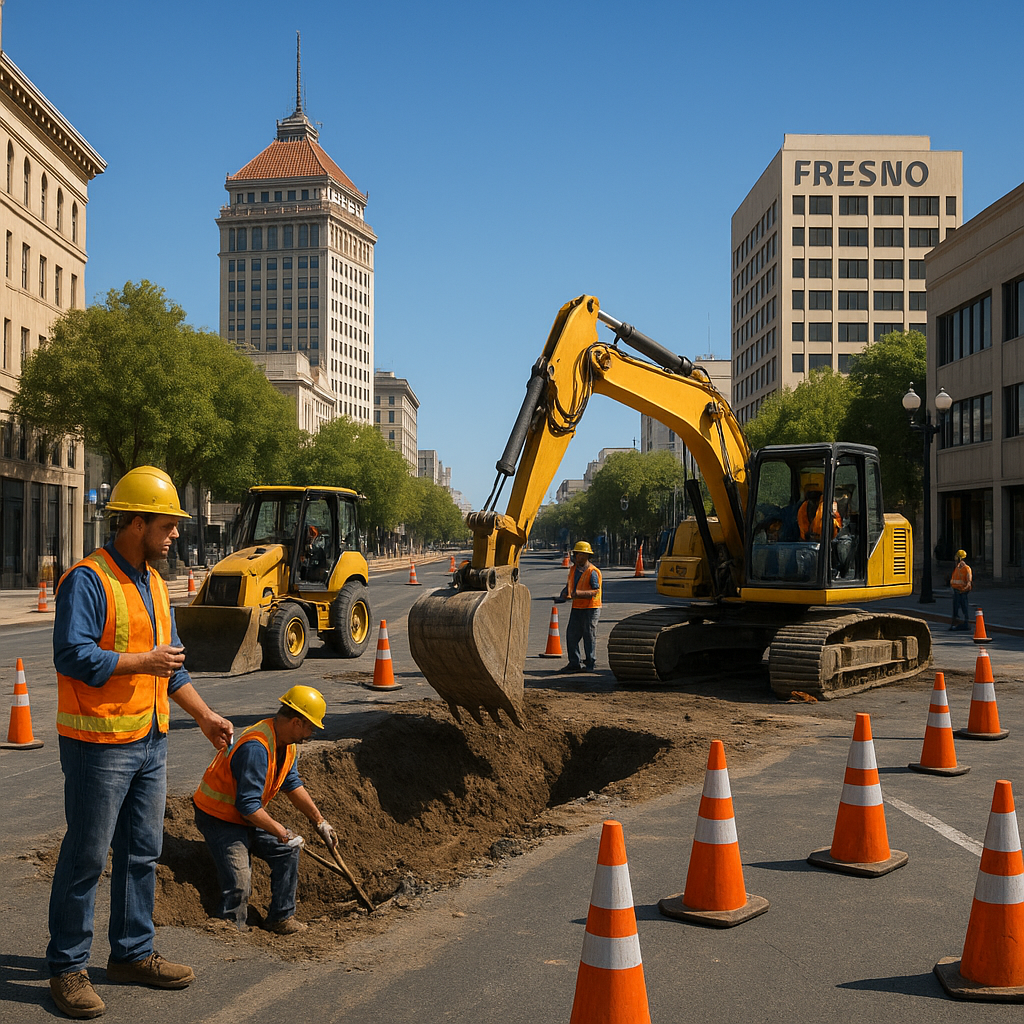
Imagine you’re driving down a freshly paved street in Fresno. The sun is shining, the road is smooth, and everything feels just right. Few of us stop to think about what goes on beneath that asphalt before it gets put down. But there’s a hidden layer of responsibility—and a little-known financial tool—that helps keep our streets safe and our city moving smoothly. That tool is the City of Fresno Streetwork and Excavation Bond, often called a street obstruction bond.
If you’re a contractor, a utility company, or anyone planning to dig into a Fresno street or sidewalk, you’ve probably heard of this bond. And if you haven’t, you’re in the right place. Let’s break it down in plain English, no confusing legal jargon attached.
What Exactly Is a Fresno Streetwork and Excavation Bond?
Simply put, it’s a promise. A three-party promise. The City of Fresno asks anyone cutting into a public street, sidewalk, or alley to buy a surety bond. This bond is a financial guarantee that the work will be done correctly and that the street will be restored to the city’s standards. If something goes wrong, the bond covers the cost to fix it.
Think of it like a security deposit when you rent an apartment. But instead of handing over a pile of cash, you pay a small percentage to an insurance company (the surety). They issue the bond. The city gets peace of mind. You get to start digging.
It covers activities like:
- Trenching for water, sewer, or gas lines.
- Installing underground utilities or fiber optics.
- Repairing or replacing sidewalks, curbs, and gutters.
- Any work that obstructs a public right-of-way, even temporarily.
Why Does the City of Fresno Require This Bond?
Let’s be honest—nobody likes a pothole. Or a sunken patch of pavement that rattles your car every morning. When someone digs up a street and doesn’t compact the soil correctly, the ground settles over time, and that smooth road becomes a bumpy mess. The city needs a way to hold contractors accountable long after the asphalt has cooled.
The street obstruction bond is that accountability tool. It says, “We trust you to do the job right, but if you don’t, the city won’t be left holding the repair bill.” The bond ensures compliance with the Fresno Municipal Code and any permits issued by the Public Works Department.
Here’s a relatable scenario: A plumbing crew opens up a stretch of street to fix a broken main. They finish the repair, patch the cut, and leave. Six months later, a depression forms right where they dug. Without a bond, the city would have to chase down the contractor or pay for repairs with taxpayer dollars. With a bond in place, the city can file a claim, and the surety steps in to arrange and fund the correction. That keeps your tax dollars where they belong.
How Does the Bond Protect Infrastructure and Public Safety?
Infrastructure isn’t just about smooth driving. It’s about safety. A poorly restored street can cause accidents, damage vehicles, or create tripping hazards for pedestrians. The bond ties directly to infrastructure integrity and public welfare.
When contractors know a bond is backing their work, they’re more likely to follow best practices. They’ll use proper compaction equipment, match existing materials, and adhere to the city’s engineering specs. In a way, the bond acts as a silent partner whispering, “Do it right, or you’ll hear about it later.”
And the city inspects projects throughout the process. If something doesn’t pass muster, the inspector can flag it. The bond remains in force for a set period after completion—often one to two years—covering any latent defects that appear. This long tail of protection is crucial. Soil settling, erosion, or material failure can take months to show up. The bond makes sure those issues aren’t ignored.
Who Needs This Bond and When?
You might be wondering, “Is this just for huge construction companies?” Not at all. Many different types of workers need this bond:
- General contractors doing street or sidewalk work.
- Plumbers and utility subcontractors.
- Telecommunications crews installing cable or internet lines.
- Landscaping companies if they need to modify curbs or access underground irrigation.
- Even homeowners—if you’re building a new driveway that intersects a public sidewalk, you might need to pull a permit and post a bond (often through your contractor).
The City of Fresno typically asks for the bond before issuing an excavation permit or street obstruction permit. The bond amount varies based on the project scope. For smaller jobs, maybe $5,000 or $10,000. For larger street cuts, it can go much higher. The Public Works Department determines the required amount.
Streetwork Bond vs. Other Contractor Bonds: What’s the Difference?
You may already know about contractor license bonds—those are required by the state just to operate legally. The Fresno streetwork bond is different. It’s a local requirement, specific to the job site. It’s also not insurance for the contractor. If a claim is paid, the contractor must reimburse the surety company. It’s more like a line of credit than a traditional insurance policy.
Don’t confuse it with a street obstruction permit fee, either. The permit fee covers the city’s cost to review plans and inspect. The bond is the safety net.
How Much Does a Fresno Streetwork and Excavation Bond Cost?
Here’s some good news: you don’t pay the full bond amount. You pay a premium, which is a small percentage of the total bond value. For well-qualified applicants, premiums can be as low as 1% to 3% of the bond amount. So a $10,000 bond might cost only $100 to $300 per year.
Several factors affect your rate:
- Personal or business credit score.
- Your experience and history of previous claims.
- Financial stability of your company.
Creditors and surety companies understand that digging up streets is a regular part of infrastructure work. They’re not trying to make it unaffordable. The goal is simply to protect the community.
A Step-by-Step Guide to Getting Bonded
Feeling a little lost in the process? Let’s walk through it together.
1. Know Your Project Requirements
Contact the City of Fresno Public Works Department before you plan any excavation. They’ll tell you exactly what bond amount is needed and what permits are required. Don’t guess—this can save you headaches.
2. Gather Your Business Information
Surety companies will ask for basic details: your business name, license number, years in operation, and sometimes financial statements. Having these ready speeds up the quote.
3. Shop for a Bond Quote
You can go directly to a surety company or work with an agent who specializes in contractor bonds. Compare rates. Even a small difference in premium can save you money over several jobs.
4. Complete the Application
It’s usually a short form. Some bonds can be issued instantly for small amounts. Bigger bonds may require a deeper review (an underwriting process).
5. Pay the Premium and Get Your Bond Certificate
Once approved, pay the premium and you’ll receive the bond document. File it with the city along with your permit application. Then you’re ready to break ground.
6. Maintain the Bond Until Release
The bond doesn’t vanish the minute you lay the last asphalt square. It remains active until the city officially accepts the work and releases you from the obligation. Keep your records, and don’t cancel the bond prematurely.
What Happens If a Claim Is Filed?
Let’s be realistic—no one wants a claim. But knowing how it works can reduce anxiety. If the city believes a contractor’s restoration failed, they’ll send a notice of default and demand rectification. If the contractor doesn’t respond or refuses, the city can file a claim against the bond.
The surety investigates. If the claim is valid, the surety pays the city up to the bond limit. Then the surety comes back to the contractor for full reimbursement. Yes, the contractor pays every penny. That’s why it’s far wiser to fix any issues voluntarily before the city brings in a formal claim.
Common Myths About Streetwork Bonds
“I have great liability insurance, so I don’t need this bond.” Insurance protects you from accidents. The bond protects the city from incomplete or substandard work. They serve different purposes. The city still requires the bond.
“Small patches don’t need a bond.” Not true. Any penetration of a public street or sidewalk typically triggers the requirement. Size doesn’t exempt you. If in doubt, ask the Public Works Department.
“The bond is a waste of money.” It’s an investment in your reputation and the community’s trust. Plus, it’s non-negotiable if you want the permit. So it’s less a waste and more a ticket to work.
The Bigger Picture: How Bonds Build Better Cities
Every time a contractor honors a streetwork bond, they’re contributing to a cycle of quality. Roads last longer. Pedestrians are safer. The city’s maintenance budget stretches further. It’s a quiet win for everyone who lives, works, or drives in Fresno.
Think of the bond as a thread woven into the city’s infrastructure fabric. Alone, it’s tiny. But together with thousands of other bonded projects, it creates a sturdy, reliable network of streets and sidewalks that won’t crumble after the next rain. That’s the kind of proactive care that turns a growing city into a great place to call home.
Ready to Start Your Fresno Excavation Project?
If you have a shovel, a plan, and a permit in sight, don’t let the bonding process intimidate you. It’s straightforward when you break it down. Reach out to a reputable surety agent, ask all your questions, and take that next step with confidence. The City of Fresno’s streets are ready for your best work—and the bond ensures that best work lasts.
Got a question about your specific situation? Leave a comment below or contact the city’s permit desk. We’re all in this together, building a safer, smoother Fresno one excavation at a time.