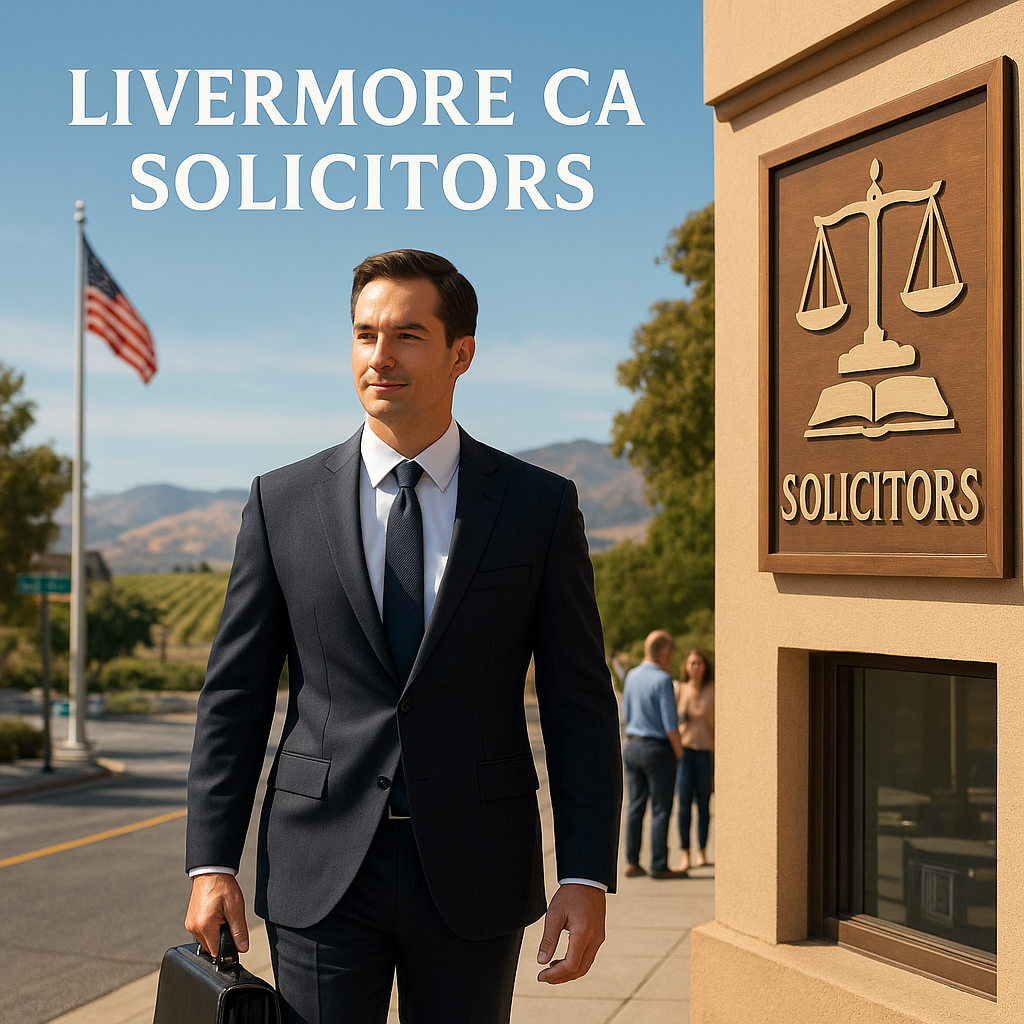
Have you ever answered your door to someone selling magazines, home security systems, or cleaning products, only to wonder if they were truly legitimate? You’re not alone. Door-to-door solicitation can be a convenient way to discover new services, but it also opens the door—pun intended—to potential scams or aggressive sales tactics. That’s exactly why the City of Livermore, California, has stepped up to enhance community trust and safety with new regulations for solicitors. If you live in Livermore or plan to canvas neighborhoods here, you’ll want to know about the latest change: the Livermore CA solicitors bond requirement.
What’s Changing in Livermore for Solicitors?
The City of Livermore recently updated its municipal code to tighten oversight on anyone conducting door-to-door sales, canvassing, or solicitation within city limits. The headline grabber is a mandatory surety bond that solicitors must now obtain and maintain. Simply put, if you want to knock on doors to sell a product or service, you’ll need more than just a smile and a pitch. You’ll need a City of Livermore solicitors bond. This isn’t just extra paperwork—it’s a financial guarantee designed to protect residents like you and me from dishonest practices.
But what does “new regulations” actually mean? Previously, many cities required a basic business license or permit. Livermore’s updated ordinance adds a layer of accountability. Now, solicitors must secure a bond before they can legally operate. The bond acts as a promise that they’ll follow the rules. If they don’t, there’s a fund available to compensate affected parties. This shift places Livermore among a growing number of communities that take a proactive approach to consumer protection.
What Exactly Is a Solicitors Bond?
Think of a solicitors bond as a safety net woven with three key players. On one side, you have the principal—that’s the solicitor or the business doing the door-to-door selling. On the other side, you have the obligee—the City of Livermore, which requires the bond. And in the middle stands the surety, the company that backs the bond financially. If the solicitor breaks the city’s rules, engages in fraud, or damages property, a claim can be filed against the bond. The surety will investigate and, if the claim is valid, pay out up to the bond’s coverage limit. Then the solicitor must repay the surety. So, it’s not a get-out-of-jail-free card; it’s a serious commitment.
For residents, this might sound a bit abstract. Let’s ground it with an example. Imagine a contractor goes door-to-door after a storm, offering to fix roofs at a “discount.” You pay a deposit, but they never return. Without a bond, you’re left chasing shadows. With a bond in place, you could file a claim and recover your money. The bond essentially separates the fly-by-night operators from the genuine professionals.
Why Did Livermore Introduce This Bond Requirement?
Community safety isn’t just about police patrols and streetlights. It’s also about feeling secure when someone knocks on your door. The City of Livermore recognized that a uniform licensing process wasn’t enough to deter scammers. A bond requirement raises the barrier to entry. Unscrupulous individuals often avoid bonding because it requires a background check, financial assessment, and a real commitment. The result? Fewer bad actors on your porch.
Livermore’s decision also reflects feedback from residents who reported high-pressure sales, misleading information, and, in some cases, outright theft. By enacting this regulation, the city aims to:
- Promote honest transactions between residents and solicitors.
- Give law enforcement a clear tool to identify compliant solicitors.
- Provide a straightforward method for victims to seek restitution.
- Encourage reputable businesses that are willing to stand behind their conduct.
In short, this bond isn’t just a piece of paper. It’s a pillar of Livermore’s strategy to keep neighborhoods friendly and safe.
How Does the Livermore CA Solicitors Bond Protect You?
Let’s put yourself in a typical scenario. It’s a sunny Saturday afternoon, and a cheerful person rings your doorbell, offering a fantastic deal on pest control services. They seem professional, so you sign a contract and hand over a check. Weeks pass, no service, and the phone number they gave you is disconnected. Anger bubbles up, but then what? If that solicitor was bonded under Livermore’s new regulations, you have recourse. You can contact the city, find out the bond details, and file a claim to get your money back.
This protection extends beyond financial loss. Imagine a solicitor damages your property while setting up a demonstration. Or they misrepresent the terms of a sale so badly that it costs you hundreds in hidden fees. The bond provides a path toward resolution without requiring you to hire a lawyer and go to court. It’s not about getting rich; it’s about making you whole again.
Do you ever worry about your elderly neighbor falling victim to a smooth talker? A solicitors bond helps there too. Scammers often target seniors, but the bond requirement forces businesses to vet their employees more carefully. The whole community becomes a harder target for fraud.
What Solicitors Need to Know About This Bond
If you’re a solicitor or run a business that relies on door-to-door connections in Livermore, don’t panic. Getting a bond is simpler than it sounds. First, you’ll apply through a surety bond provider. They’ll look at your personal or business credit, experience, and any history of complaints. The bond amount is set by the city—often a few thousand dollars, though you’ll only pay a small percentage as a premium. For example, a $10,000 bond might cost as little as $100 to $200 per year, depending on your qualifications.
Once approved, you’ll receive a bond certificate to submit with your application for a solicitor permit or business license. Keep in mind, the bond must stay active for as long as you solicit. Let it lapse, and you could face fines or have your permit revoked.
Here’s a quick checklist for compliance:
- Confirm the exact bond amount required by the City of Livermore.
- Choose a licensed surety company familiar with California municipal bonds.
- Complete the application honestly—any red flags will slow the process.
- Pay the premium and file the bond with the city clerk’s office.
- Carry proof of bonding while soliciting; you may be asked to show it.
Savvy business owners see the bond as a marketing advantage. Imagine telling potential customers, “Yes, I’m bonded by the City of Livermore. That means you’re protected.” Trust skyrockets, and doors open more easily.
Frequently Asked Questions About Livermore’s New Solicitor Rules
Who exactly needs a solicitors bond in Livermore?
The regulation covers anyone engaging in door-to-door sales, soliciting orders for goods or services, or canvassing for commercial purposes. Non-commercial activities like political campaigning or religious outreach are generally exempt, but it’s wise to check the city’s specific definitions. If money changes hands or a contract is signed at your doorstep, the person on the other side likely needs a bond.
How much does the bond cost a solicitor?
The cost depends on the bond amount and the applicant’s creditworthiness. For a typical $5,000 or $10,000 bond, premiums can range from $100 to $500 annually. It’s a modest sum compared to the trust and legal compliance it secures. Solicitors with excellent credit might pay even less, sometimes as low as 1% of the bond amount.
Can a resident verify if a solicitor is bonded?
Absolutely. Don’t be shy. When a solicitor knocks, politely ask to see their city-issued permit and proof of bonding. You can also call Livermore’s city offices during business hours to verify a solicitor’s status. A legitimate professional will welcome the question; a scammer will make excuses. Trust your gut—if something feels off, close the door.
What happens if a solicitor violates the rules?
If a violation occurs—say, a solicitor uses deceptive tactics or fails to deliver—residents should report it to the Livermore Police Department or the city’s code enforcement division. The city can then initiate a claim against the bond on behalf of the victim, or the victim can file directly. The surety investigates, and if the claim is substantiated, compensation is issued up to the bond’s penalty. The solicitor’s permit may also be suspended or revoked, adding more teeth to the enforcement.
Connecting the Dots: A Safer Livermore, One Door at a Time
Livermore’s new solicitor bond requirement is more than a bureaucratic update—it’s a reflection of a community that values integrity. By weeding out bad actors before they can cause harm, the city is preserving the warmth of neighborhood interaction while adding a layer of modern protection. Think of it like a home security system. You hope you never need it, but you sleep better knowing it’s there.
For residents, the next time a solicitor rings your bell, you can engage with a bit more confidence. Ask to see their bond certificate. If they produce it, you’re likely dealing with a professional. If they fumble, that’s your cue to say “no thanks.” And for solicitors, embracing the bond is a chance to stand out as trustworthy in an industry where trust can be scarce.
Have you encountered a door-to-door salesperson recently? How did the interaction go? Share your experiences with neighbors and help spread the word about these new protections. Livermore is leading the charge, proving that community safety and friendly commerce can go hand in hand, bonded together for the long haul.