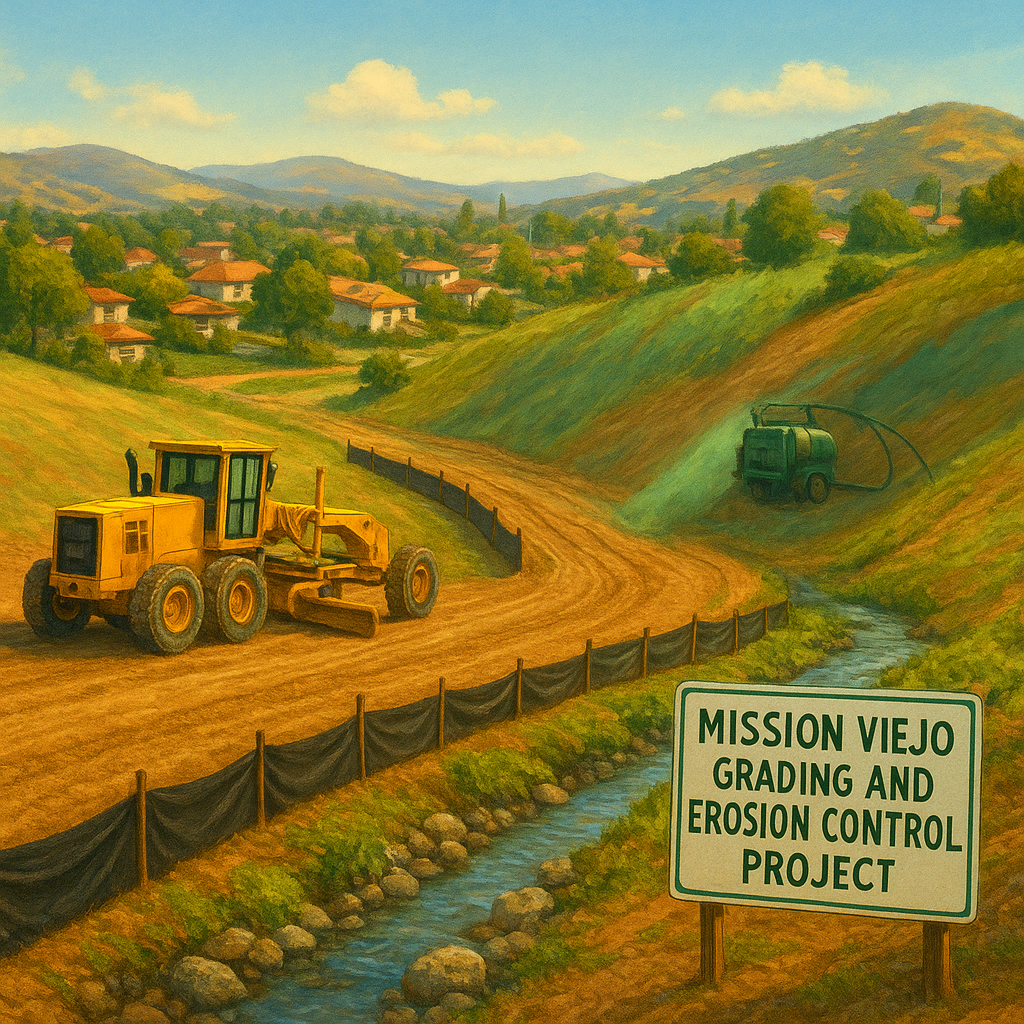
If you’ve ever watched a construction site turn into a muddy mess after a heavy rain, you already know how important it is to keep soil where it belongs. In Mission Viejo, California, local officials are taking a proactive step to tackle this exact problem. The city has rolled out a grading bond program designed to combat soil erosion and keep sediment from washing into streets, storm drains, and nearby waterways. But what does that mean for homeowners, contractors, and the environment? Let’s break it down in plain English.
What Exactly Is a Grading Bond?
Think of a grading bond as a safety deposit for the earth. Whenever a developer or contractor starts a project that involves moving soil—excavating for a foundation, leveling a slope, or reshaping a landscape—there’s a risk that loose dirt will escape the site. A grading bond acts as a financial promise that the work will be done correctly and that the land will be stabilized afterward. If the contractor skips town or leaves a hillside vulnerable to erosion, the city can use that bond money to fix the problem.
In Mission Viejo, this isn’t just a suggestion. The city now requires a grading bond for many types of earth-moving projects. The goal is straightforward: protect the community from the costly and unsightly damage that soil erosion can cause.
Why Mission Viejo Is Taking a Stand Against Soil Erosion
Southern California might be famous for sunshine, but when the rains come, they often arrive in powerful bursts. The steep terrain and dry, compacted soil that make Mission Viejo so scenic can also turn into a liability. Without proper controls, a single downpour can send tons of sediment sliding down slopes, clogging storm drains, and polluting creeks and streams.
Erosion isn’t just an eyesore. It leads to:
- Water pollution: Sediment clouds water, harms fish, and carries chemicals and debris into local waterways.
- Property damage: Mudslides and runoff can undermine foundations, damage landscaping, and even threaten homes.
- Expensive cleanup: Taxpayers often foot the bill when public infrastructure gets clogged or damaged by unmanaged runoff.
By requiring a grading bond, Mission Viejo is shifting the responsibility back where it belongs: on the people moving the dirt. It’s a classic case of “an ounce of prevention is worth a pound of cure.”
How the Grading Bond Program Works
So, how does a piece of paper actually prevent mudslides? The process is simpler than you might expect. Here’s a step-by-step look at how the Mission Viejo grading bond program operates.
Step 1: Apply for a Grading Permit
Before any significant earth-moving can start, a contractor or property owner must secure a grading permit from the city. That application includes detailed plans showing how erosion and sediment will be controlled during and after construction. Think silt fences, fiber rolls, gravel bags, and temporary seeding—tools that keep soil in place.
Step 2: Determine the Bond Amount
City officials calculate the bond based on the size and complexity of the project. The amount generally reflects the estimated cost to restore the site and repair any potential erosion damage if the contractor doesn’t finish the job. This bond can take the form of a surety bond, cash deposit, or letter of credit. It’s held by the city until the project is complete and the site is stable.
Step 3: Install and Maintain Controls
Once work begins, the contractor must install all the soil erosion and sediment control measures outlined in the approved plan. Regular inspections ensure everything is working correctly. If a rainstorm is on the horizon, extra precautions might be needed to keep the dirt from washing away.
Step 4: Final Inspection and Release
After the grading is done and the ground is permanently stabilized—usually with established vegetation or retaining walls—the city conducts a final inspection. If everything checks out, the bond is released. If not, the contractor has to make things right. If they don’t, the city can use the bond funds to hire someone who will.
The Ripple Effect: Benefits for the Whole Community
You might be thinking, “I’m not a contractor—why does this matter to me?” The answer lies in the many ways soil erosion touches our daily lives, often without us realizing it.
- Cleaner water and beaches: Sediment that stays on a construction site doesn’t end up in the ocean. Less pollution means healthier marine life and more enjoyable days at the beach.
- Safer neighborhoods: Stable slopes are less likely to fail during heavy rains, reducing the risk of mudslides and flooding.
- Protected property values: Well-maintained construction sites and healthy landscapes keep the city looking great and property values strong.
- Lower long-term costs: Preventing erosion is far cheaper than cleaning up after it. The bond program ensures that developers, not taxpayers, pay for any negligence.
In a way, the grading bond acts like a collective insurance policy. Each project that follows the rules contributes to a safer, cleaner environment for everyone.
What This Means for Homeowners Tackling a DIY Project
Maybe you’re not a big developer. Maybe you’re a homeowner planning to regrade your backyard, build a retaining wall, or cut a small pad for a shed. Does the grading bond program apply to you? Possibly. The city’s requirements often cover any project that disturbs a certain amount of soil—usually more than a few cubic yards. Even smaller projects can trigger a permit if they’re on a steep slope or near a drainage channel.
The best approach? Contact the Mission Viejo building department early in your planning process. They can tell you if your project needs a grading permit and what bond, if any, will be required. It may feel like an extra hoop to jump through, but it’s there to protect your investment and the surrounding area.
Common Questions About the Mission Viejo Grading Bond Program
Let’s tackle a few questions that often pop up when people first hear about this requirement.
Is a grading bond the same as a construction bond?
Not exactly. A general construction bond usually guarantees that a project will be completed according to contract terms. A grading bond is more specific—it’s tied directly to the earthwork and the measures that prevent erosion. In Mission Viejo, the grading bond is a separate requirement focused purely on soil and sediment control.
What happens if a contractor abandons a project?
If a contractor walks away before stabilizing the site, the city can step in. The bond money gives them the resources to hire another crew, install proper erosion controls, and leave the land in good shape. Homeowners and neighbors aren’t left staring at a gaping, muddy scar for months on end.
Does the bond cover damage to neighboring properties?
The primary purpose of the grading bond is to ensure the site itself is properly stabilized. However, if erosion from the site causes damage to adjacent properties, the bond may help fund some remediation. Property owners can also pursue legal claims, but the bond provides a first line of defense. Always verify the details with the city for your specific situation.
Can a bond be transferred if a property is sold?
Typically, the bond stays with the project, not the person. If a property changes hands during construction, the new owner will likely need to provide a new bond or have the existing one reassigned. The city’s goal is continuous coverage until the work is complete and the land is stable.
How Mission Viejo’s Program Stacks Up Against Other Cities
Mission Viejo isn’t the only California city with a grading bond requirement. Similar programs exist in places like Laguna Beach, San Clemente, and Rancho Santa Margarita. What sets Mission Viejo apart is its emphasis on balancing development with environmental protection in a region where wildfires and heavy rains can quickly turn a cleared slope into a debris flow. By requiring bonds and diligent inspections, the city is building a reputation for responsible growth that other communities can look to as a model.
Tips for a Smooth Grading Project in Mission Viejo
Whether you’re a seasoned contractor or a first-time homeowner, a little preparation goes a long way. Here are some practical suggestions:
- Start the conversation early: Reach out to the city’s planning and building department before you break ground. They’ll walk you through the bond process and help you avoid costly delays.
- Hire experienced professionals: Work with contractors who know the local regulations and have a track record of successfully completing grading projects with proper erosion control.
- Watch the weather: Southern California downpours can catch you off guard. Time your grading work for the dry season when possible, and always have emergency measures ready if rain is forecast.
- Document everything: Keep records of inspections, installed controls, and communication with the city. This documentation can streamline the bond release process later on.
- Think beyond the minimum: Meeting the basic requirements is fine, but going a step further with extra erosion blankets or native planting can pay off in long-term slope stability and aesthetic appeal.
The Big Picture: Stewardship Starts at Home
At its core, Mission Viejo’s grading bond program is about accountability. It acknowledges that moving dirt, even for a beautiful new home or community park, carries a responsibility to the land and to everyone who lives downstream. The program may add a few steps to the permit process, but it helps ensure that the city’s hillsides stay green, its waterways stay clear, and its neighborhoods stay safe.
Next time you see a construction site with neat rows of straw wattles and a silt fence flapping in the breeze, you’ll know there’s more going on than meets the eye. Behind that project is a bond—a promise that the earth will be treated with care. And in Mission Viejo, that’s a promise the city intends to keep.