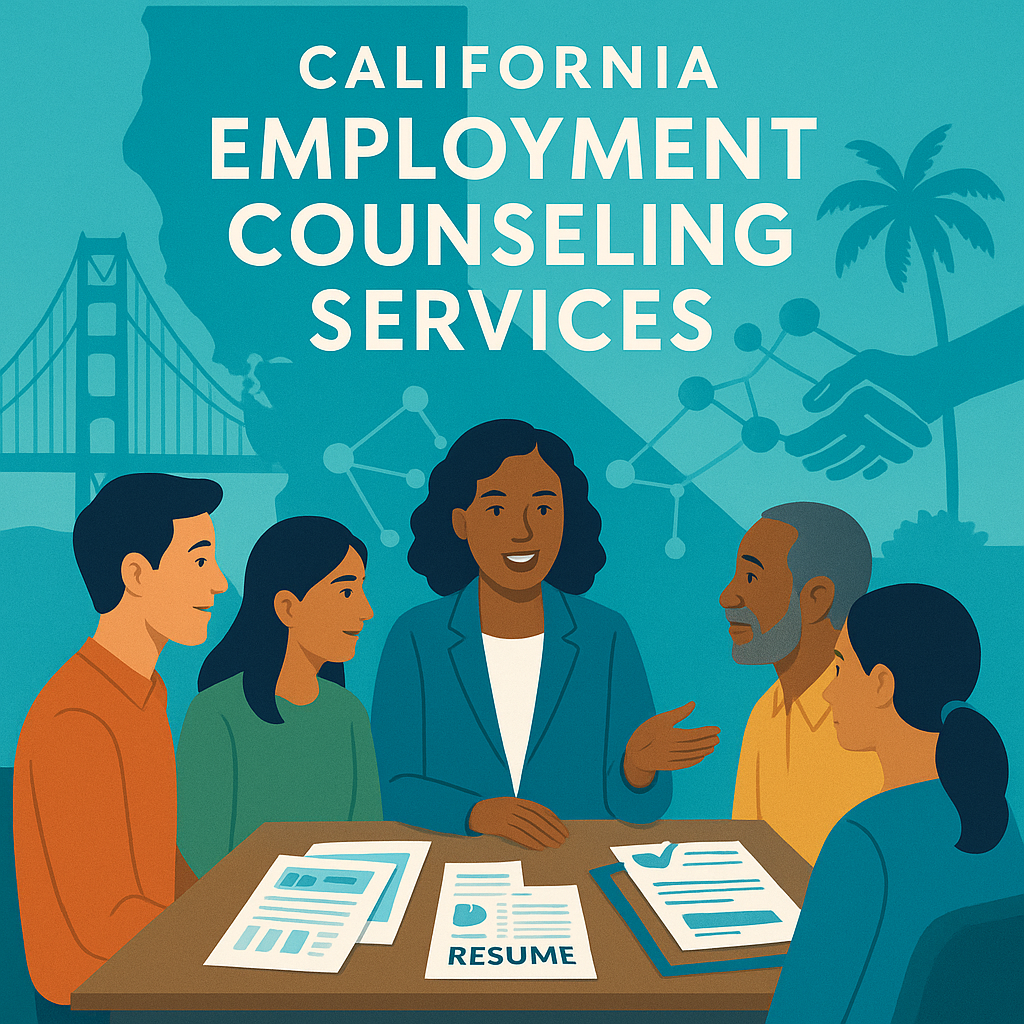
If you’re planning to offer employment counseling services in the State of California, you’ve probably come across the term “surety bond.” It might sound a little intimidating at first, but think of it as a promise you make to your clients and the state. It’s your way of saying, “I’m here to do business fairly and honestly.”
The California Employment Counseling Service Bond is a key piece of that promise. Whether you’re helping people find jobs, navigate career changes, or improve their professional skills, this bond plays a big role in launching your business the right way. So, let’s break it all down in plain English.
What Exactly Is a California Employment Counseling Service Bond?
At its core, the CA employment counseling bond is a type of surety bond. But what does that mean? A surety bond isn’t like traditional insurance that protects your business. Instead, it’s a three-party agreement that protects your clients and the state government.
Here’s the simple version: You (the principal) buy the bond from a surety company. The State of California (the obligee) requires it, and your clients (also obligees in a sense) benefit from the protection it provides. If you fail to follow the rules—like engaging in unfair billing, making false promises, or not delivering services as agreed—someone can file a claim against your bond. The surety company may pay them, but then you’re responsible for reimbursing the surety. So, it keeps everyone playing fair.
Why Does the State Require This Bond?
California is known for strong consumer protection laws. When you’re offering employment counseling services, you’re working with people at vulnerable moments in their lives. They might be between jobs, feeling the stress of unemployment, or looking to switch careers. The state wants to make sure they aren’t taken advantage of.
The bond acts as a financial safety net. If a service provider breaks the law or acts unethically—like charging for jobs that don’t exist, misrepresenting placement rates, or disappearing with a client’s money—the bond gives harmed consumers a way to recover their losses without a lengthy court battle. It’s a way of building trust before anyone even walks through your door.
Who Needs a California Employment Counseling Service Bond?
Not every career coach or resume writer needs this specific bond. It’s generally required for businesses that fall under certain categories regulated by the state. If your firm charges fees for helping people find employment, provides career advice for a fee, or offers job placement services, you may need to secure this bond as part of your licensing or registration process.
A good question to ask yourself: “Am I providing paid services that promise to connect clients with job opportunities or significantly improve their employment prospects?” If the answer is yes, check with the California Department of Industrial Relations or the appropriate licensing board. They will tell you the exact bond amount and requirements. Ignoring it could lead to fines, license denials, or even business shutdowns.
How the Bond Protects Everyone Involved
Let’s paint a picture. Imagine a job seeker named Maria. She pays an employment counseling firm $2,000, believing they’ll help her land a management position within three months. The firm collects her money, offers a few generic tips, and then stops returning her calls. They never deliver the personalized coaching they promised.
Without the California Employment Counseling Service Bond, Maria might have to go to small claims court and hope she can collect. With the bond in place, she can file a claim directly against the bond. If the claim is valid, the surety investigates and may pay her up to the bond’s full amount. The counseling business then has to pay back the surety. This kind of protection gives consumers peace of mind and separates reputable counselors from bad actors.
Breaking Down the Cost of Your Bond
One of the first questions people ask is, “How much will this cost me?” The good news is you won’t have to pay the full bond amount out of pocket. The bond amount is set by the state—often somewhere between $10,000 and $50,000, depending on the scope of your services. But you only pay a small percentage, called the premium.
For example, if your required bond is $25,000, your premium might be as low as $100 to $500 per year, depending on a few factors. What decides that rate? Your personal credit score is the biggest piece. A strong credit history shows the surety company you’re financially responsible, so they’ll offer a lower premium. Business financials and experience can also play a role. Even if your credit isn’t perfect, many companies have programs to get you bonded—you might just pay a bit more.
What Factors Influence Your Bond Premium?
- Credit score: Higher scores usually mean lower rates.
- Business finances: Stable revenue and profitability show you’re a safe bet.
- Industry experience: A track record in employment services helps.
- Bond amount: Larger bonds carry slightly higher premiums, but still just a fraction of the total.
Think of it like paying interest on a loan. The lower the risk you present, the less expensive your bonding cost becomes.
How to Get Your CA Employment Counseling Bond
The process is simpler than you might think. You won’t be buried in paperwork for weeks. Most agencies let you apply online and get bonded the same day. Here’s a straightforward path to follow:
- Find out your required bond amount. Check the exact amount with the state agency that oversees employment counseling services.
- Get a quote from a surety bond provider. You can work with a specialist or an insurance agent who offers surety bonds. Provide a few basic details about your business and personal credit.
- Receive your premium quote and pay. Once approved, you’ll pay the annual premium. Some providers offer multi-year discounts.
- Get your bond form and file it with the state. The surety will issue the official bond document. You’ll then submit it along with your license application or renewal paperwork.
- Renew on time every year. Letting your bond lapse can put your license at risk. Most sureties send reminders, but mark your calendar anyway.
Common Misconceptions About This Bond
There’s a lot of confusion floating around. Let’s clear it up. One common myth: “This bond is the same as liability insurance.” Not true. Liability insurance protects your business if you get sued for errors or accidents. This bond protects the public from your business’s unlawful actions. They serve entirely different purposes.
Another misunderstanding: “If I have the bond, any claim gets paid automatically.” Not so. The surety company will investigate each claim. If it’s found to be invalid—say, a competitor tries to harm your reputation—no payment is made. The bond is not a free pass for anyone to get money; it’s a legitimate contractual guarantee.
What Happens If a Claim Is Filed Against You?
Even the most careful business owners can face a claim. Maybe a client misunderstands your contract, or perhaps a genuine mistake happens. If a claim is filed, the surety company will reach out to you first. They’ll ask for your side of the story and any documents that support your case. The goal is to resolve things quickly and fairly.
Remember, you have a legal obligation to pay back any money the surety pays out on your behalf. That’s why keeping clear records, written contracts, and honest communication with your clients is so vital. A bond claim against you can also make it harder—and more expensive—to get bonded in the future. So, treat every client interaction with care.
Building a Strong Foundation for Your Employment Counseling Business
Securing your California Employment Counseling Service Bond isn’t just about checking a box for the state. It’s about showing the world that you’re a professional who can be trusted. When clients see that you’re bonded, they feel safer. They know there’s a financial backing behind your promises. In a competitive market like California, that kind of credibility can be the edge that helps your business grow.
Think of the bond as a quiet partner in your business’s integrity. It doesn’t do the counseling for you, but it publicly confirms that you stand behind your work. And when you pair that bond with genuine skill, empathy, and results, you create a reputation that keeps clients coming back and referring others.
Questions to Ask Your Bond Provider
Before you buy any bond, have a conversation. Ask these things to make sure you’re getting the best deal and the right coverage:
- “Do you have experience with bonds for employment counseling services in California?”
- “Can I get a discount if I pay for a multi-year term?”
- “How quickly can I get my bond certificate after approval?”
- “What is your process if a claim is filed?”
- “Do you report to credit agencies, and how does a claim affect that?”
A reputable bond agency will be happy to answer all of this. If they brush off your questions, it might be a sign to look elsewhere.
Moving Forward with Confidence
Navigating the requirements for employment counseling services in the State of California doesn’t have to feel overwhelming. The bond is simply a tool—a way to protect your clients and demonstrate your commitment to a high standard of service. Once you understand what it is, why it matters, and how to get it, the path becomes clear.
Take a moment to check your licensing requirements, gather your financial information, and reach out to a trusted surety bond provider. In no time, you’ll have your bond in hand and the confidence that comes with being fully compliant. And from there, you can focus on what you do best: helping people find meaningful work and build stronger futures.