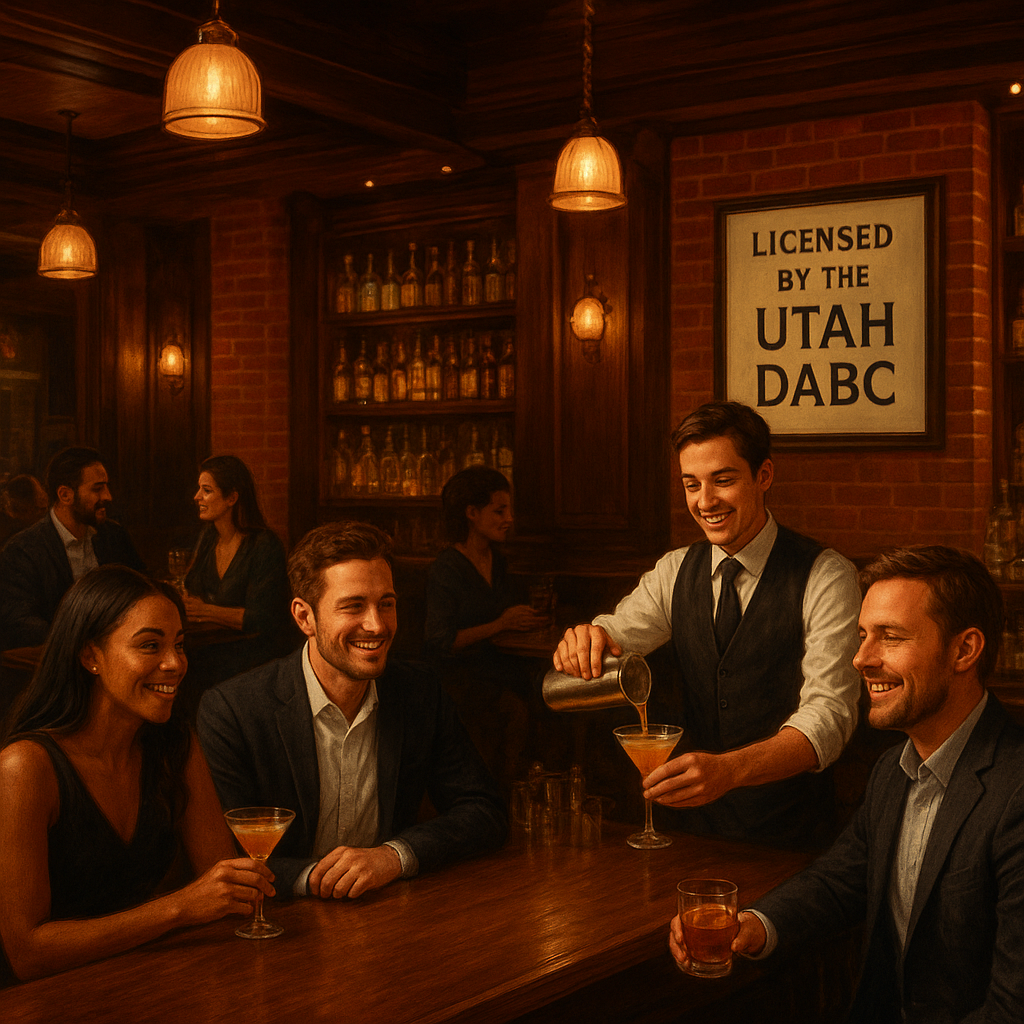
Thinking about opening a private club or social lounge in Utah? Maybe you’ve got your eye on a cozy downtown spot where members can enjoy a glass of wine or a craft cocktail. Utah’s stunning landscapes draw crowds, but the state’s alcohol laws are famously unique. Before you pour that first drink, there’s one piece of paper that’s absolutely essential: a Utah club bond. If the phrase “on-premise liquor sales bond” sounds intimidating, don’t worry. Let’s break it down together in plain, everyday language.
What Exactly Is a Utah Club Bond?
Think of a club bond as a three-way promise. It’s not insurance for your business, even though it gets sold by insurance agents. Instead, it’s a financial guarantee that you’ll play by the rules set by the Utah Department of Alcoholic Beverage Control (DABC). The bond involves your club, the state of Utah, and a surety company. If your club fails to follow liquor laws—say, serving alcohol to a minor or not paying required taxes—the bond steps in to cover the financial mess, up to a certain amount. But here’s the kicker: you have to pay every penny back to the surety company. A bond is like a security deposit that says, “I’m serious about obeying the law.”
Why Does Utah Require This Bond for On-Premise Liquor Sales?
Utah’s alcohol landscape is tightly regulated, and the DABC keeps a watchful eye. The state runs its own liquor stores and sets strict guidelines for clubs that want to serve drinks on-site. The club bond is a tool that protects the public and the state from financial harm. If a club violates rules and gets fined, the bond ensures that money is available. It also adds a layer of accountability—business owners think twice before cutting corners when they know a claim could hit their wallet hard. In other words, the bond helps keep the local nightlife safe and trustworthy.
Who Needs One?
If you’re operating a private club, fraternal organization, or social club where members enjoy alcoholic beverages on the premises, you’ll almost certainly need this bond. It’s part of the liquor license application for on-premise consumption. Even if you already hold a club license, you’ll need to keep your bond active as long as you’re pouring drinks. So whether you run an established members-only lounge or a brand-new event space with a bar, this requirement applies to you.
How Does the Utah Club Bond Actually Work?
Let’s picture the bond in action. You own “Red Rock Social Club.” You’ve secured your $10,000 club bond (the most common requirement for a club license in Utah). One evening, an undercover agent spots a server handing a cocktail to someone under 21. The DABC slaps the club with a fine. If the fine isn’t paid, the state can file a claim against your bond. The surety company pays the state up to the bond’s $10,000 limit. Then, the surety comes knocking on your door for reimbursement. You’re legally obligated to repay that full amount. So, while the bond feels like a safety blanket for the state, it’s really the club owner who covers the risk in the end.
That’s why understanding the rules matters so much. You’re not just buying a piece of paper—you’re making a personal promise to follow Utah’s liquor laws to the letter.
Navigating the Application Process With the Utah DABC
Dealing with the Utah Department of Alcoholic Beverage Control might seem like trekking through a bureaucratic maze. But you can simplify the journey by gathering the right documents early. Here’s what you need to know:
- Know Your License Type. A club license allows on-premise consumption for members and their guests. The state will specify the bond amount you need—most commonly $10,000 for a club license.
- Get the Bond Before Your License. You’ll submit proof of your Utah club bond as part of your license application. Without it, the DABC won’t process your paperwork.
- Work With a Surety Specialist. Any licensed surety agency can issue the bond. Many offer online quotes, so you can compare prices in minutes.
- Renew on Time. Most bonds are issued for a one-year term. Mark your calendar. Letting your bond lapse could mean losing your liquor license—even if only for a day.
How Much Does a Club Bond Cost?
Here’s good news: you won’t pay the full $10,000 out of pocket upfront. Instead, you pay a small premium, typically between $100 and $300 per year. The premium depends on your personal credit score and the surety company’s underwriting. If your credit is strong, you might snag a rate on the lower end. Even with a few dings on your credit report, options exist—sometimes with a slightly higher premium. Think of the premium as a tiny fraction of the total bond amount, like paying a small fee to secure a much larger safety net for the state.
A Handy Analogy: Apartment Security Deposit
Have you ever rented an apartment and put down a security deposit? The club bond works in a similar way. The landlord (the state) holds a deposit (the bond) in case you damage the property (violate liquor laws). If you follow all the rules, the deposit stays untouched and you simply pay a small, non-refundable administration cost (the premium). If you break the rules, you lose that deposit—but in the bond world, you have to refill it. That’s the reimbursement part. It’s simple once you picture it that way.
Common Mistakes That Can Lead to Bond Claims
No club owner wants to face a bond claim. It’s stressful, expensive, and can tarnish your reputation. Avoid these pitfalls to keep your bond untouched:
- Serving Minors. Always check IDs. Utah IDs come with specific security features, and training your staff is non-negotiable.
- Over-Service. Letting visibly intoxicated members keep drinking puts your license—and bond—at risk.
- Missing Tax Payments. The bond can respond to unpaid alcohol taxes or fees owed to the state. Keep your books in order.
- Operating Outside Approved Hours. Utah’s alcohol service hours are strict. A slip-up here can trigger penalties and a potential claim.
- Failing to Report Changes. If your club’s ownership structure changes, update the DABC and your bond. An outdated bond might not cover the new entity.
Treat your bond as a business partner that keeps you honest. When you stay compliant, both your club and the community win.
Why Compliance Builds Trust With Your Members
Beyond avoiding fines, carrying a Utah club bond sends a strong message. It tells your members, “We take safety seriously.” It tells the DABC, “We respect your rules.” And it tells your own team that you run a professional operation. In an industry where reputation is everything, that peace of mind is priceless. When members know they’re in a licensed, bonded environment, they relax and enjoy themselves more. They’ll keep coming back, and they’ll bring friends.
Frequently Asked Questions About Utah Club Bonds
Let’s tackle a few questions that pop up again and again. Chances are, you’ve wondered about at least one of these.
Is a Club Bond the Same as Liability Insurance?
No, and mixing them up can cause headaches. Liability insurance covers accidents, injuries, or property damage that happen in your club. The bond, on the other hand, guarantees you’ll follow the state’s liquor laws. They serve completely different purposes. You’ll need both—they aren’t interchangeable.
What Happens If a Claim Is Filed Against My Bond?
First, the surety investigates. If the claim is valid, the surety pays the state up to the bond limit. Then you must immediately repay the surety, plus any legal or collection fees. A claim can also make it harder—and more expensive—to get a bond in the future. Think of it like a black mark on your financial record.
Do I Need a New Bond Every Year?
Most bonds run on an annual term, so yes, you’ll need to renew. The premium might change slightly depending on your claims history or credit, but the renewal process is usually quick. Set a reminder a month before expiration to avoid a lapse.
Can I Get a Bond With Bad Credit?
In many cases, yes. Some surety companies specialize in working with business owners who have less-than-perfect credit. You may pay a higher premium, but securing a bond is often possible. It pays to shop around and talk to a knowledgeable agent who understands Utah’s requirements.
Getting Started: Your Roadmap to Bond and License Success
Ready to move forward? Here’s a simple, keep-it-real approach:
1. Visit the Utah DABC website. Familiarize yourself with the current club license application and bond amount. Requirements can update, so always check the most recent information.
2. Contact a surety bond agency. Give them your club’s details and ask for a quote on a Utah club bond for on-premise liquor sales. Most agencies can issue the bond the same day.
3. Submit your bond to the DABC. Pair it with your license application and any other required paperwork. Track deadlines carefully.
4. Train your staff and stay informed. The best bond is the one you never have to use. Regular training keeps everyone sharp and your bond claim-free.
5. Renew without fail. Mark your calendar, set a phone alert, tie a string around your finger—do whatever it takes to renew on time.
Navigating Utah’s club bond requirements for on-premise liquor sales doesn’t have to feel like decoding ancient scrolls. Once you understand that it’s essentially a promise backed by a little bit of money, the path becomes clear. Grab your bond, secure that license, and get ready to welcome members into a space that’s built on safety, trust, and great drinks. Cheers to getting it right from the very first sip!