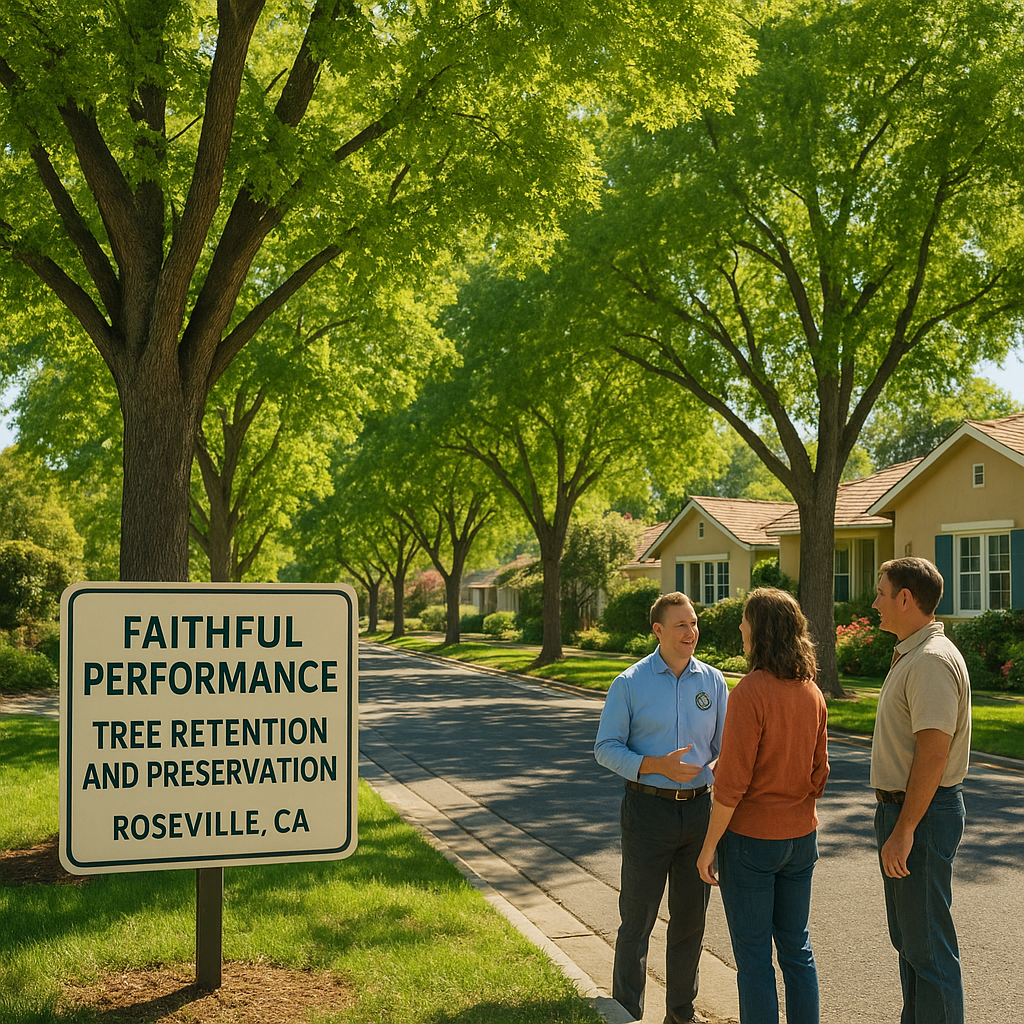
Have you ever walked through a neighborhood and felt instantly calmer because of the beautiful, mature trees lining the streets? Those shady canopies don’t happen by accident. They take decades to grow and require intentional care, especially when new construction starts popping up. The City of Roseville, California, understands this better than most, and they’ve put a powerful tool in place to keep their urban forest thriving: a Faithful Performance Relating to Retention and Preservation of Trees Bond. If you’re a developer, homeowner, or just someone who loves green spaces, this new approach to tree management might surprise you in the best way.
What Exactly Is a Tree Preservation Bond?
Think of a tree preservation bond like a promise backed by money. It’s a type of surety bond required by the City of Roseville when a construction project could affect protected trees. The official name is a mouthful—Faithful Performance Relating to Retention and Preservation of Trees Bond—but the idea is simple. The developer or property owner agrees to protect specific trees during and after their work. If they don’t, the city can use the bond funds to fix the damage, replant, or otherwise make things right.
This isn’t just a piece of paper. It’s a three-way agreement between the city (the obligee), the person doing the work (the principal), and a surety company that issues the bond. The city wants healthy trees to stay healthy. The developer promises to make that happen. And the surety company guarantees that promise with financial backing. It’s a safety net for Roseville’s leafy residents, and it’s rapidly becoming a standard part of any project that touches the local landscape.
Why Did Roseville Introduce This Bond?
If you’ve spent any time in Roseville, you know the community treasures its trees. They cool down streets in the summer, improve air quality, and boost property values all year long. But with growth comes risk. A construction crew might accidentally damage root systems, compact soil in the wrong place, or remove a tree that was supposed to stay. Before this bond existed, the city often had limited recourse when preservation promises fell through.
Roseville’s new policy closes that gap. By tying tree retention and preservation to a faithful performance bond, the city ensures that everyone takes the commitment seriously. The bond acts like a built-in budget for tree replacement if things go sideways. It also encourages developers to plan more carefully. After all, nobody wants to lose money on a bond claim. The result? More trees survive construction, and the ones that don’t get replaced or compensated for properly.
How It Works: A Simple Breakdown
Understanding the bond process doesn’t require a law degree. Here’s the step-by-step flow, explained in everyday terms.
1. The Tree Preservation Plan Comes First
Before any dirt moves, a project must have a plan that identifies which trees are protected, how they’ll be safeguarded, and what happens after construction. This plan gets approved by the City of Roseville. Only then does the bond requirement kick in. You can’t just guess and hope for the best—the city needs to see exactly how you’ll keep those trees alive and well.
2. The Bond Amount Is Set
Roseville calculates how much the bond needs to be worth. This often reflects the estimated cost to replace or restore the protected trees if something goes wrong. So if a majestic oak is valued at several thousand dollars, the bond amount will reflect that value. The developer then purchases the bond from a surety company for a small percentage of the total, usually 1% to 3% of the bond amount.
3. Work Begins—and Trees Are Monitored
Construction can start, but the job isn’t done until the trees have survived the prescribed monitoring period. This could be months or even years after the final nail is hammered. During that time, the bond stays active. If a protected tree dies due to construction-related stress, the city can make a claim. If all goes well, the bond is released, and everyone walks away happy.
Who Needs a Tree Preservation Bond in Roseville?
You might assume these bonds only apply to massive commercial developments. Not true. The requirement covers a wide range of projects:
- Residential subdivisions where grading could impact heritage oaks.
- Commercial site work near designated street trees.
- Home additions or pool installations that encroach on tree protection zones.
- Any public works project that involves digging near sensitive root systems.
In some cases, a tree removal bond also comes into play. Even when a tree is approved for removal, Roseville may require a bond to guarantee proper replacement planting. The bond runs to the municipality, meaning the city holds the cards. This ensures that a removed tree doesn’t become a permanent loss for the neighborhood’s canopy.
What Makes This Bond Different from a Regular Insurance Policy?
It’s easy to confuse a surety bond with insurance, but they serve very different purposes. An insurance policy protects the policyholder from unexpected loss. A tree preservation bond protects the City of Roseville (and by extension, the community) from the developer’s failure to perform. If the surety company pays out on a claim, they’re not just handing over free money. They’ll turn to the developer and demand reimbursement. That little detail keeps accountability front and center. It’s a financial motivator to do the right thing from day one.
Benefits That Go Beyond the Job Site
On the surface, this policy looks like red tape. But dig a little deeper, and you’ll find benefits that ripple through the entire community.
Protected Shade and Beauty
Mature trees can’t be replaced overnight. A bond-backed preservation plan means the big, beautiful trees that make Roseville special stay standing, shading homes and creating those picture-perfect streetscapes everyone loves.
Clear Expectations for Developers
No one likes surprises in the middle of a project. The bond process spells out exactly what’s expected. Developers know the rules, the timeline, and the financial stakes upfront. This clarity often leads to better construction practices and fewer costly delays.
A Real Fund for Violations
Without a bond, the city might have to chase violators through the court system to recover costs of damaged trees. That’s slow and doesn’t always yield results. The bond creates an immediate, dedicated pot of money. Roseville can act quickly to replant or restore, keeping green spaces intact year after year.
Higher Property Values Over Time
Studies consistently show that homes and businesses near well-maintained trees are worth more. By safeguarding the urban canopy, Roseville’s tree preservation bond helps protect property values community-wide. It’s an investment in the city’s long-term appeal.
Navigating the Application Process: What to Expect
If you’re planning a project in Roseville that might trigger this requirement, don’t worry. The path to securing a city of Roseville tree bond is straightforward when you know the steps.
First, talk to the planning department early. They’ll let you know if your site includes protected species or falls within a tree preservation zone. From there, you’ll work with an arborist to create the protection plan. Once approved, you’ll receive the bond amount and specifications. A quick call to a surety bond agency can get you a quote, often within the same day. The bond is then filed with the city, and you’re cleared to move forward with the tree-related conditions in place.
Costs are usually minimal compared to the total project budget. A $10,000 tree preservation bond might cost as little as $100 to $300 annually, depending on your credit and the surety’s rates. That small premium buys peace of mind and keeps your project in compliance.
An Analogy to Make It Stick: The Apartment Security Deposit
Still trying to wrap your head around it? Think of the tree bond like a security deposit for an apartment. You promise to leave the apartment in good condition when you move out. The landlord holds a deposit just in case you don’t. If you clean up and follow the rules, you get your whole deposit back. If you punch a hole in the wall, the landlord uses that money to fix it. The tree preservation bond works the same way. The city holds the bond as a deposit against the health of the trees. Keep them in good condition, and the obligation disappears. Harm them, and the funds get used to repair the damage.
Common Questions People Ask
Does this apply to removing a single tree on my property? Possibly. Even private property tree removal can trigger a bond if the tree is part of a protected class under Roseville’s municipal code. Always check with the city before you start cutting.
How long does the bond stay in place? Typically, the bond remains active through a defined maintenance period, often one to three years after construction is complete. That gives the city time to see if the trees truly survived the disturbance.
What happens if a tree dies from natural causes? The bond focuses on construction-related failures. If a tree dies due to drought or disease unrelated to the project, it generally wouldn’t trigger a claim. Documentation and arborist reports are key.
Looking Ahead: A Greener Roseville for Everyone
Roseville’s faithful performance bond for tree preservation reflects a broader trend across California. Communities are realizing that growth and nature don’t have to be enemies. With the right tools, they can coexist beautifully. This policy doesn’t just draw a line in the dirt—it plants a flag for responsible development. Every bond filed represents a commitment to keep the city’s tree-lined character intact for your kids, your neighbors, and the next generation of Roseville residents.
So the next time you enjoy the cool shade of a massive oak near a brand-new building, remember there’s a good chance a tree preservation bond played a role in keeping that giant standing tall. It’s a quiet hero in the ongoing story of a city that truly values its roots.